
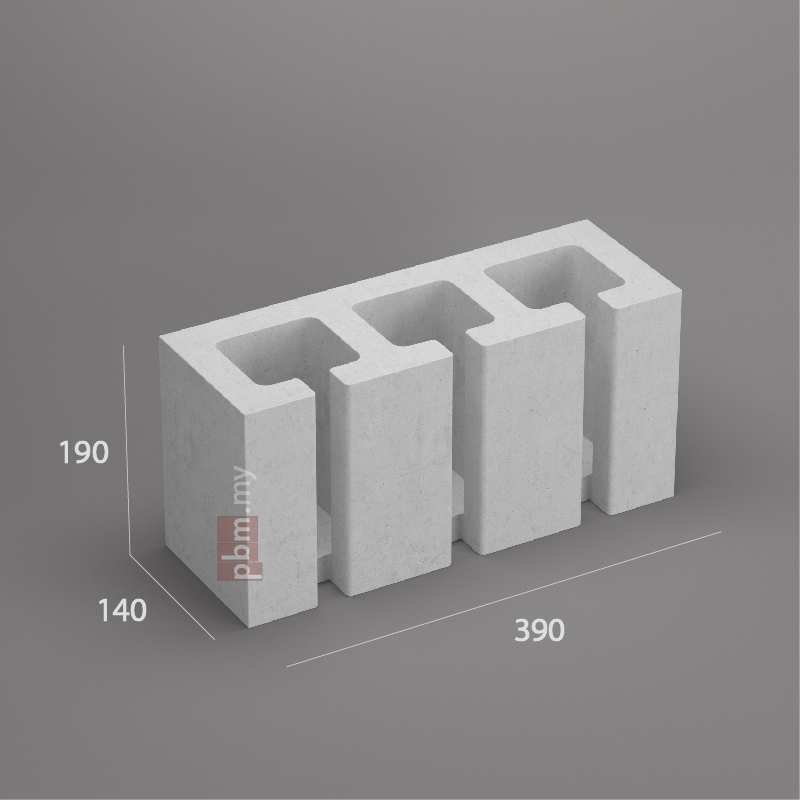
AB 140.01
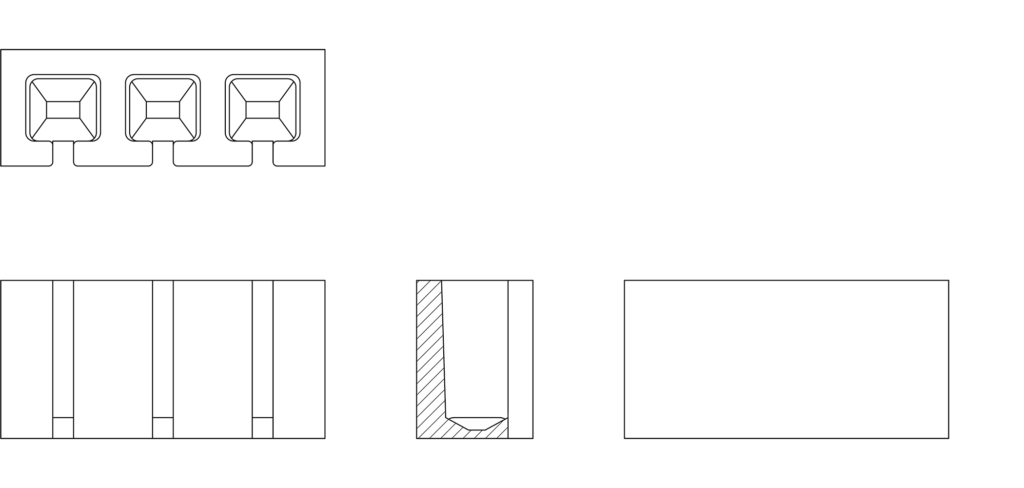
Product Info
Dimensions (L x W x H)
Unit Weight
Coverage
Packaging
Type
Product Description —
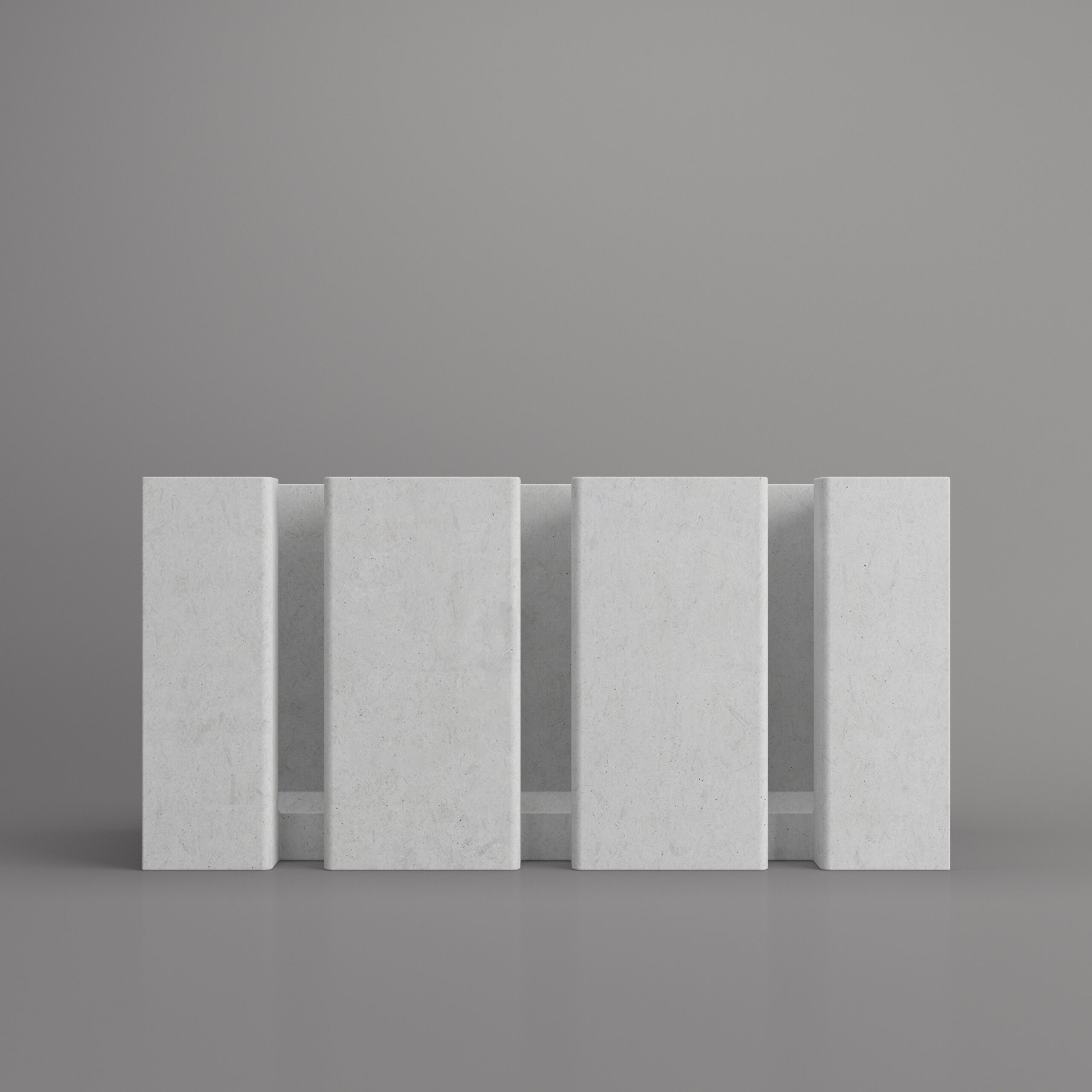
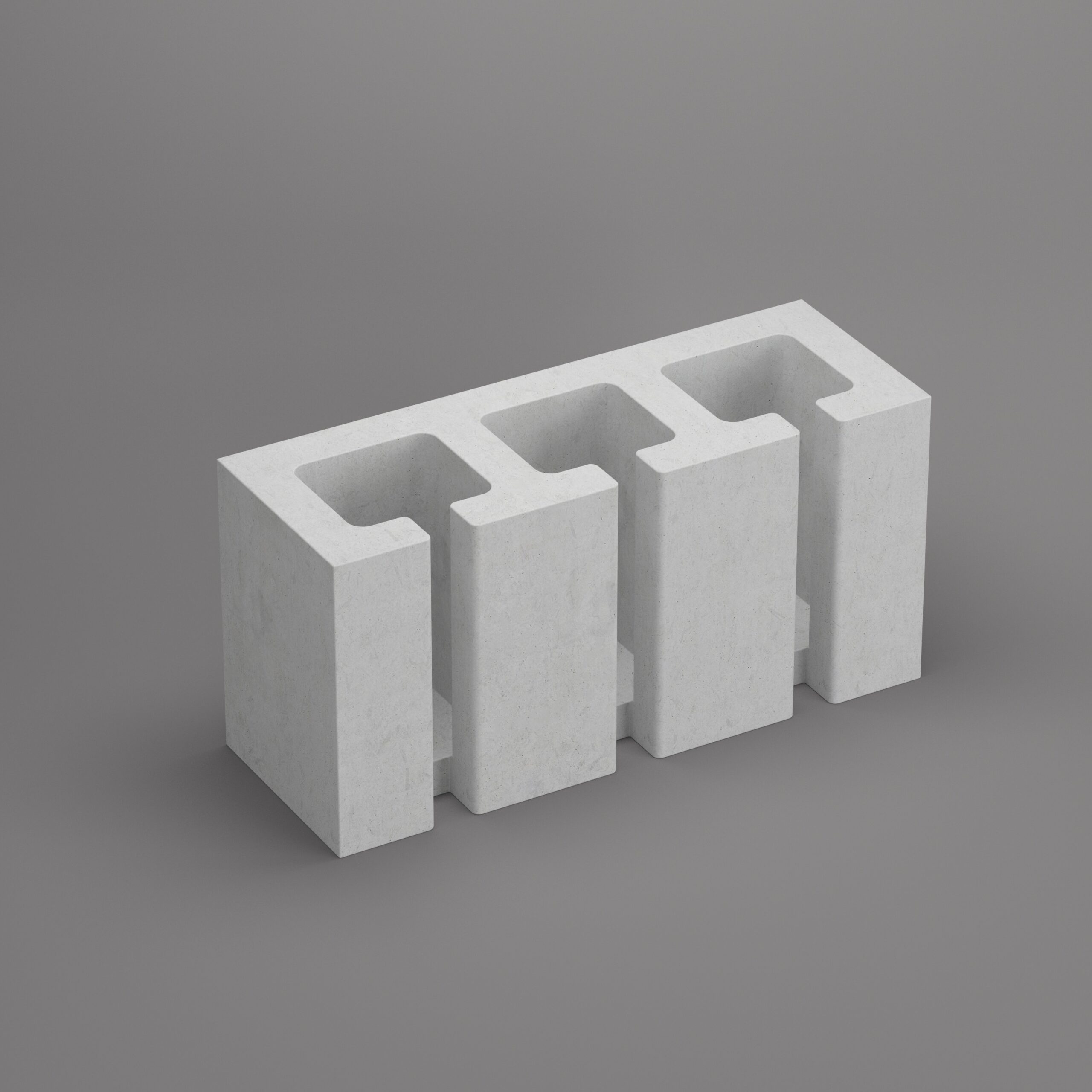
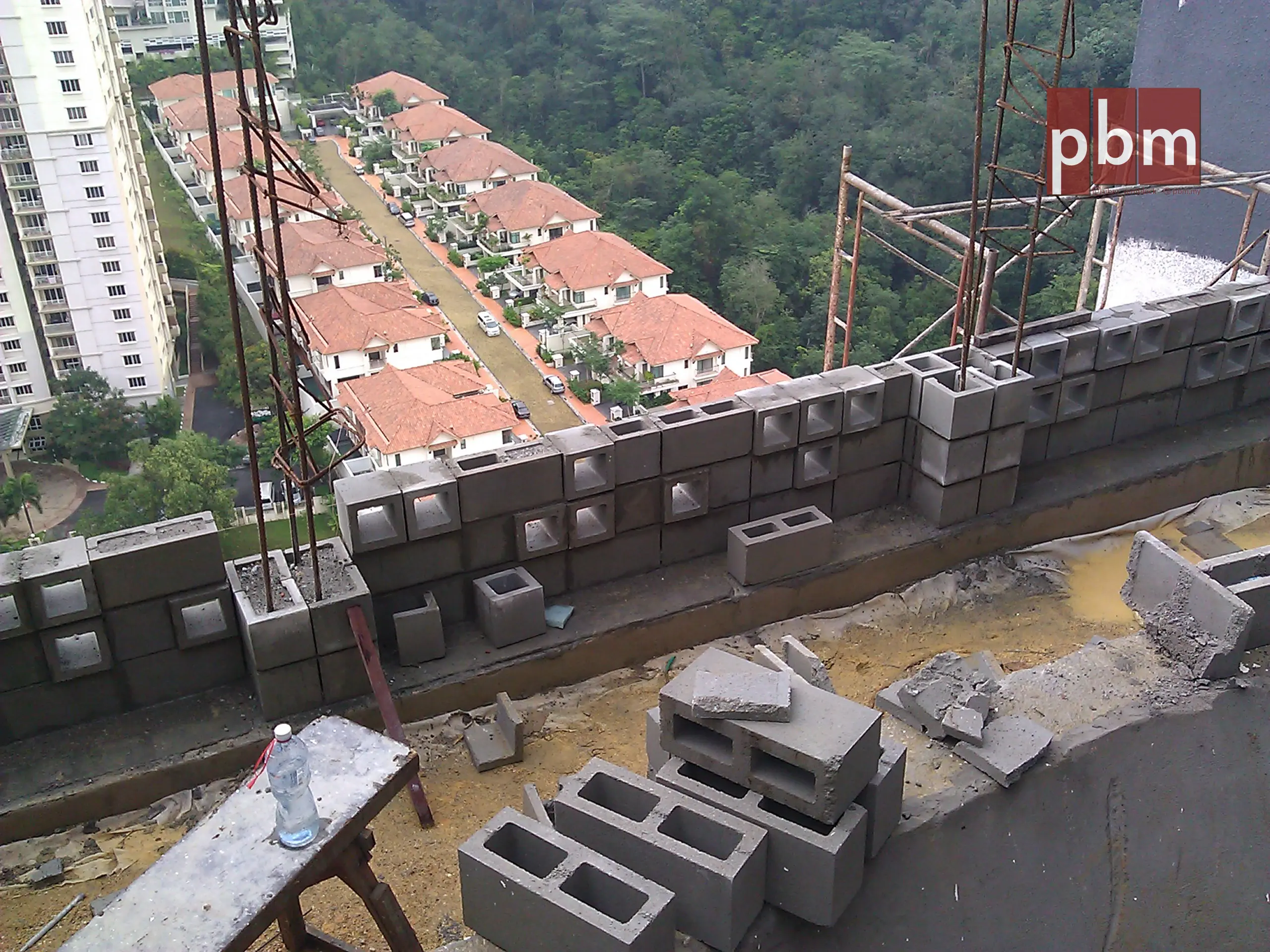
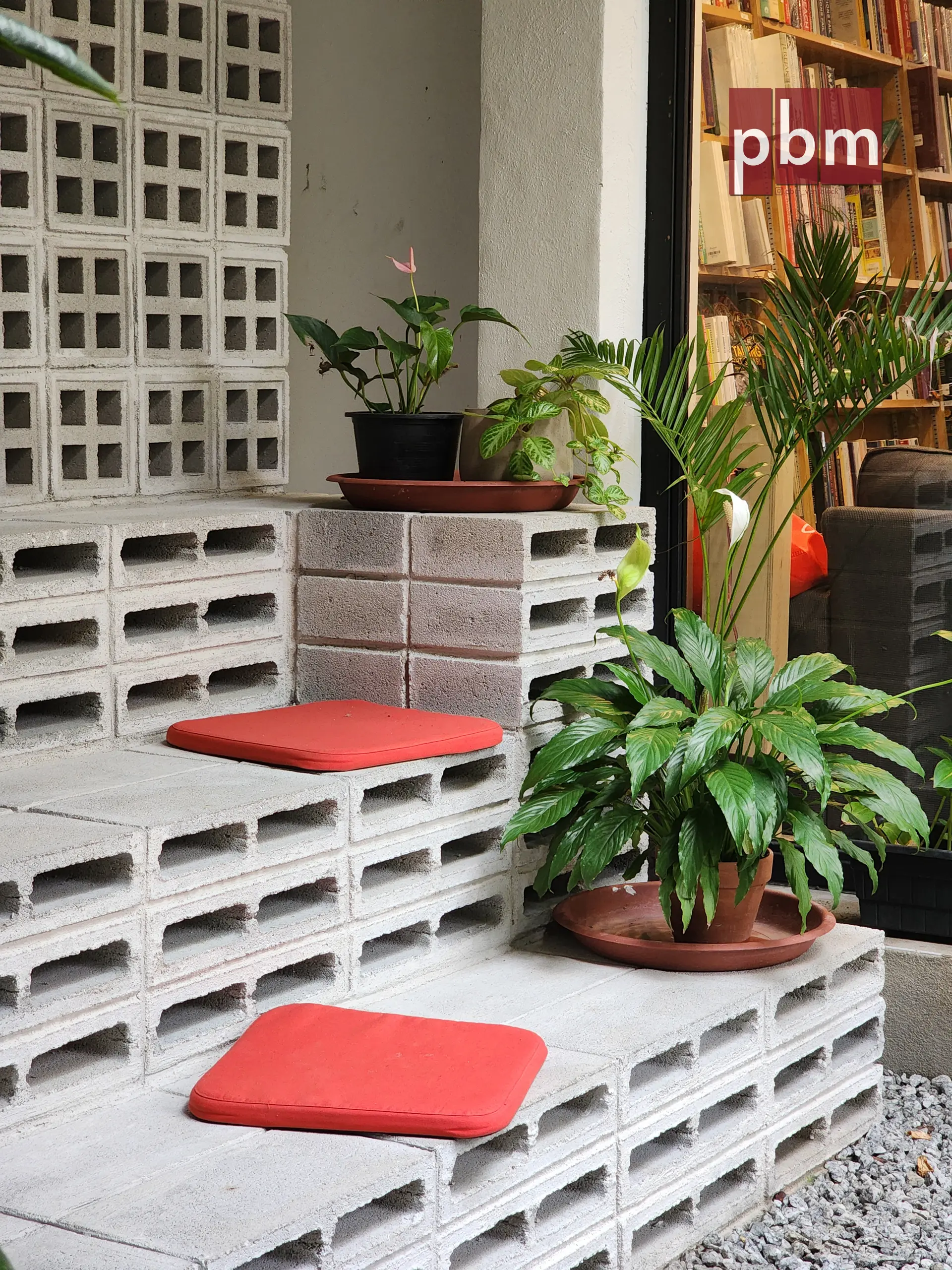
AB 140.01 – Acoustic-profile hollow block measuring 390 × 190 × 140mm. Externally identical in form and dimensional coordination to the standard 140.01, but featuring an internal H-shaped profile engineered to disrupt sound transmission across the wall. Specified where standard hollow block construction needs to deliver improved acoustic separation — typically demising walls between hotel rooms, classrooms, hospital wards, serviced apartments, and other partitioned spaces requiring sound isolation. ±12.0kg/pc, 12.5 pcs/m², 100 pcs/plt.
Application
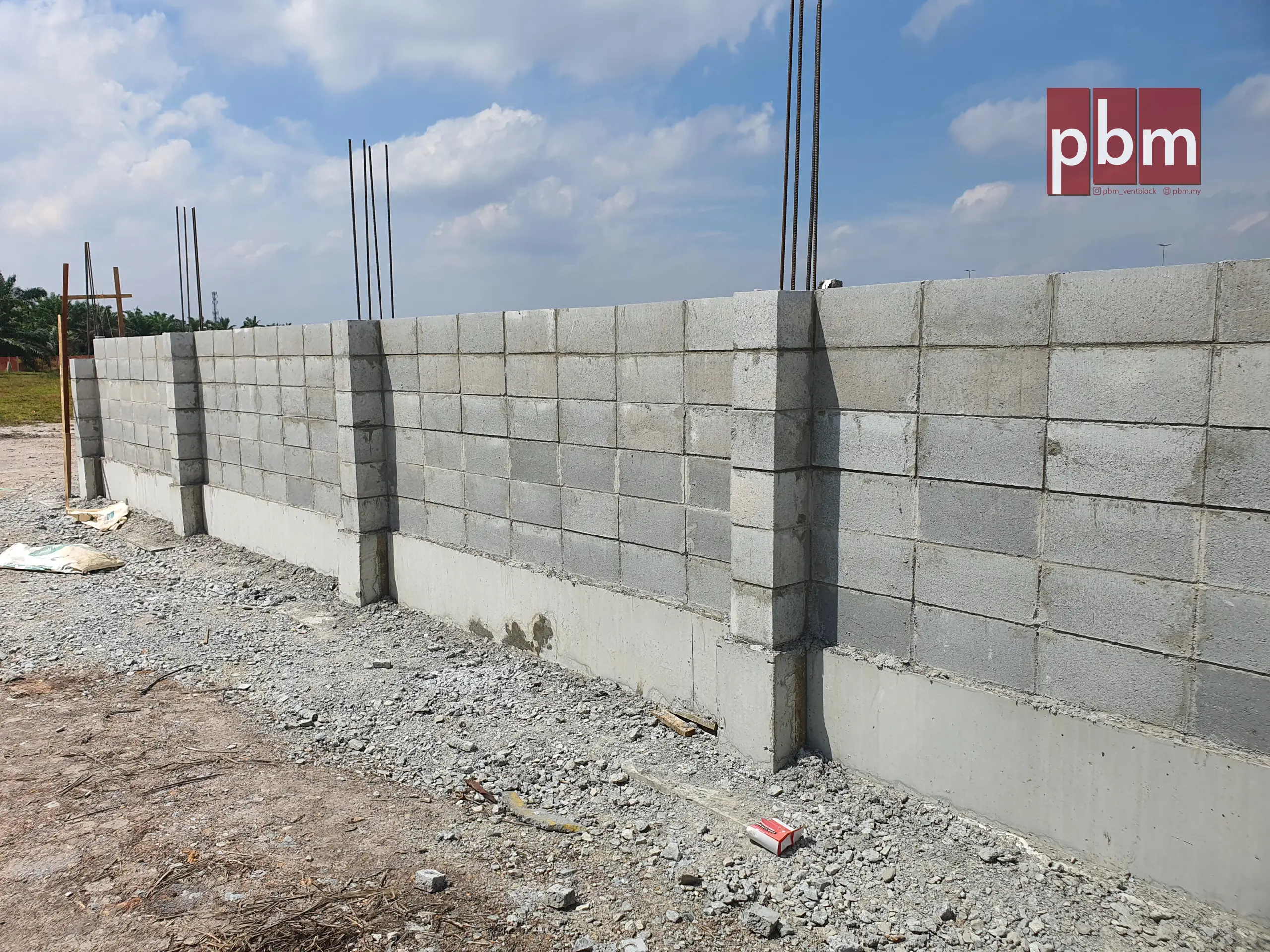
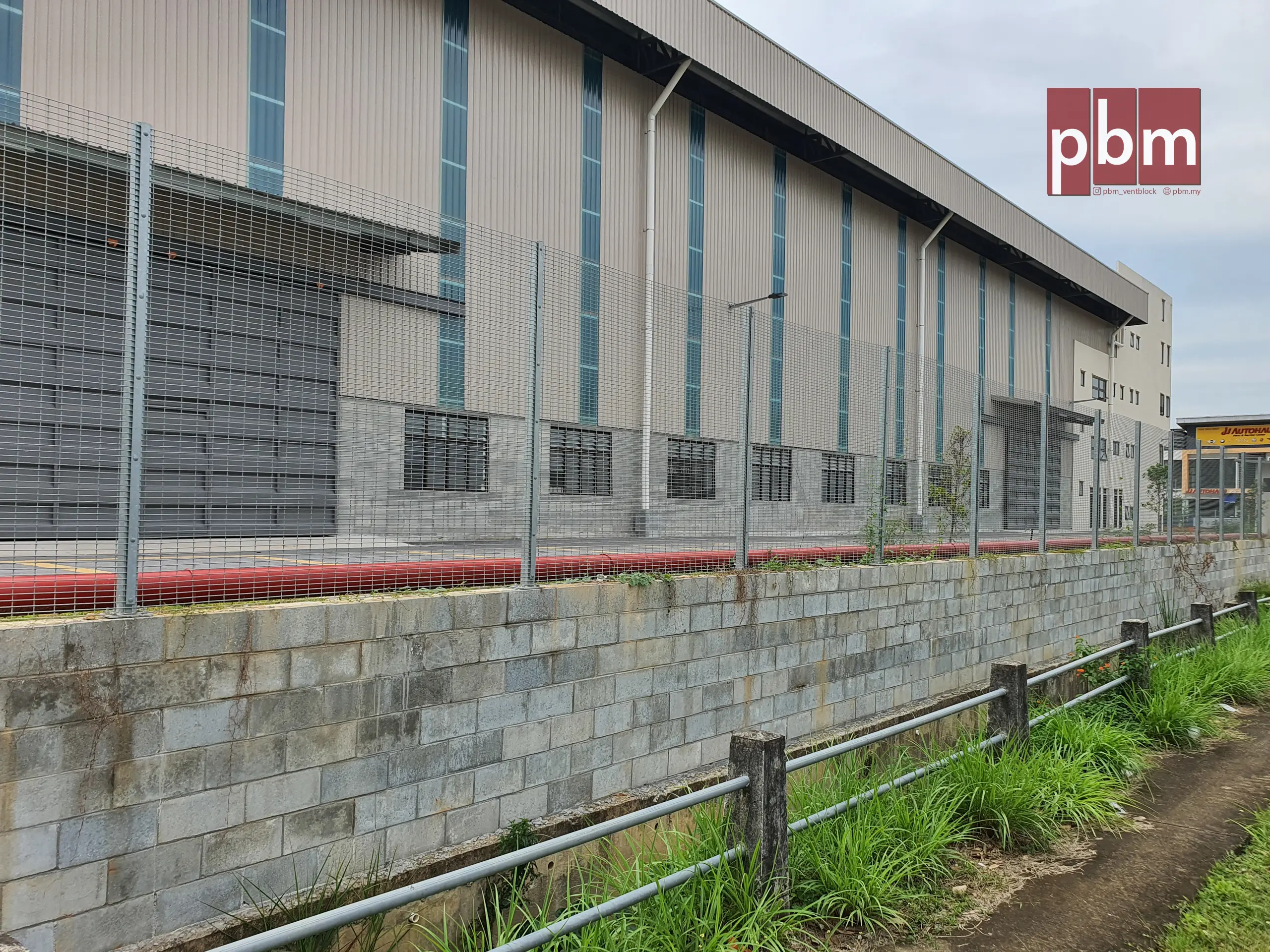
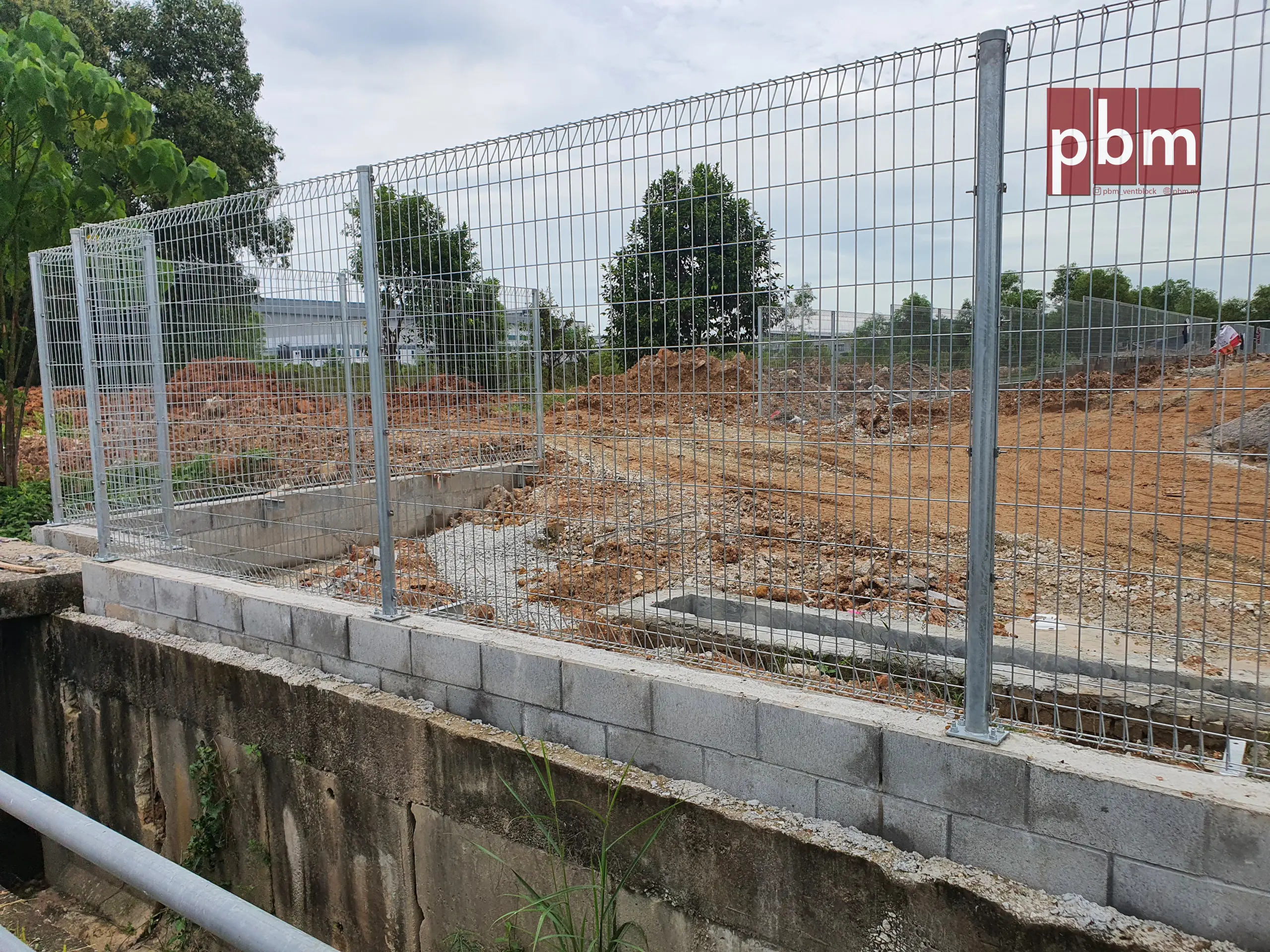
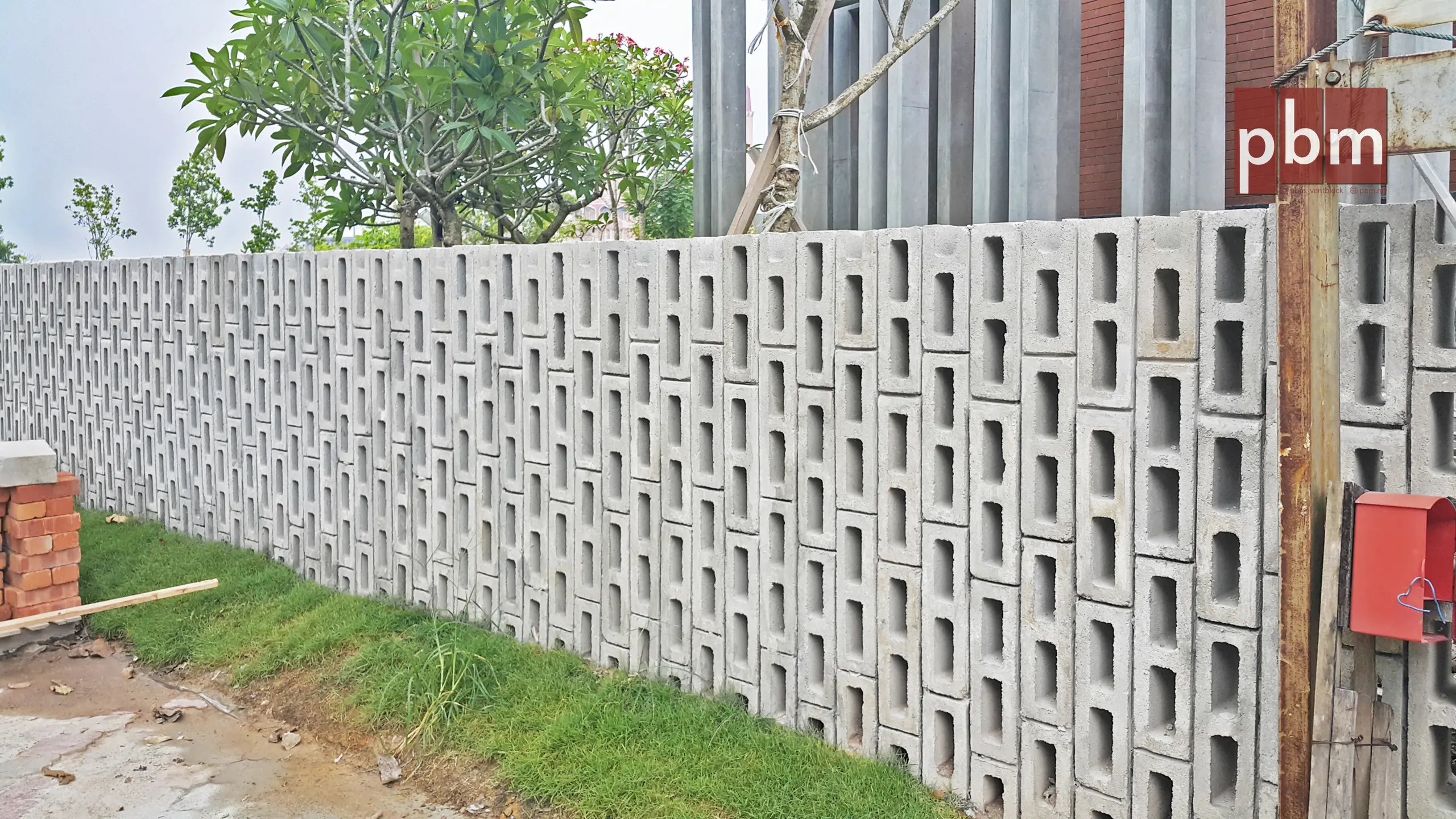
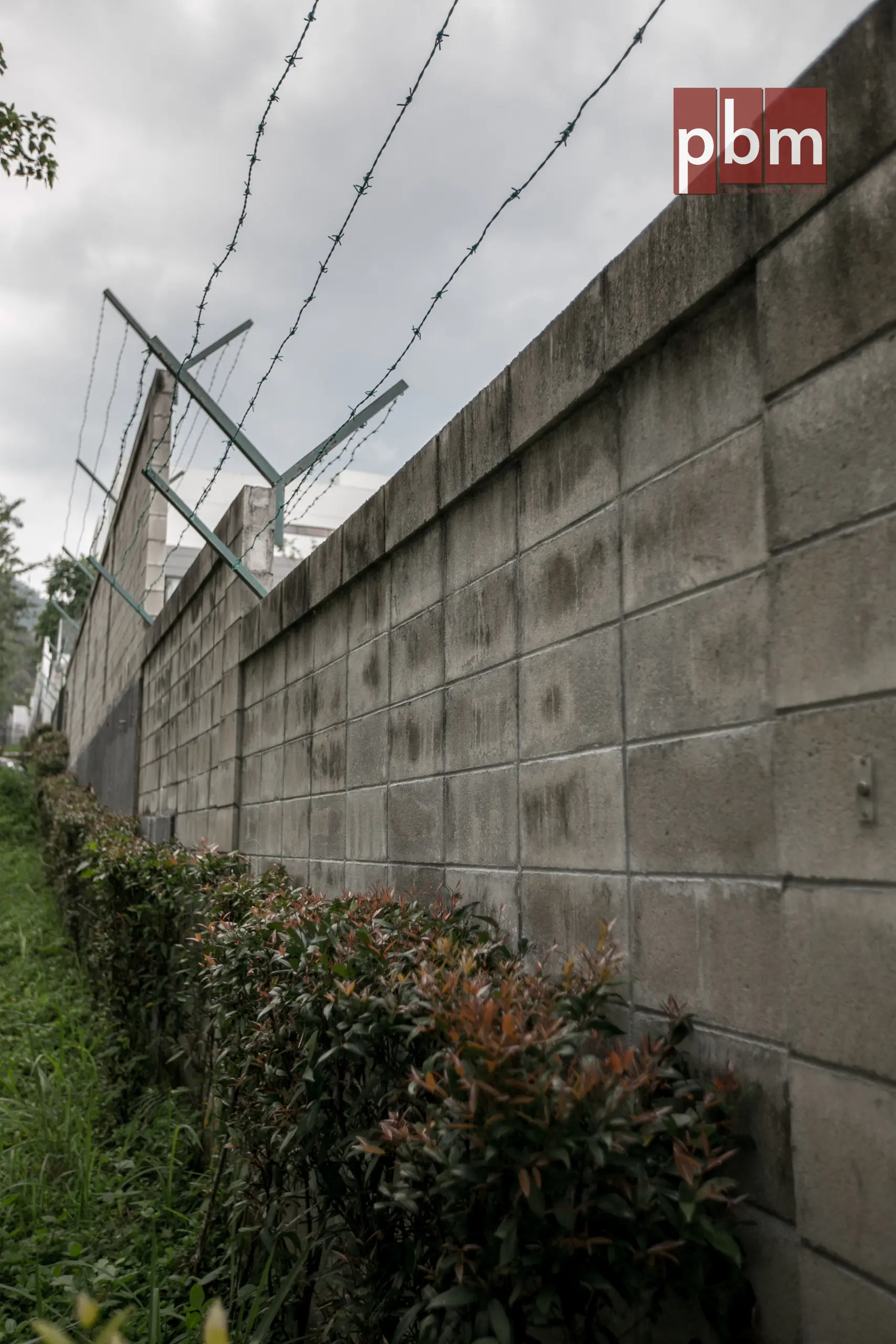
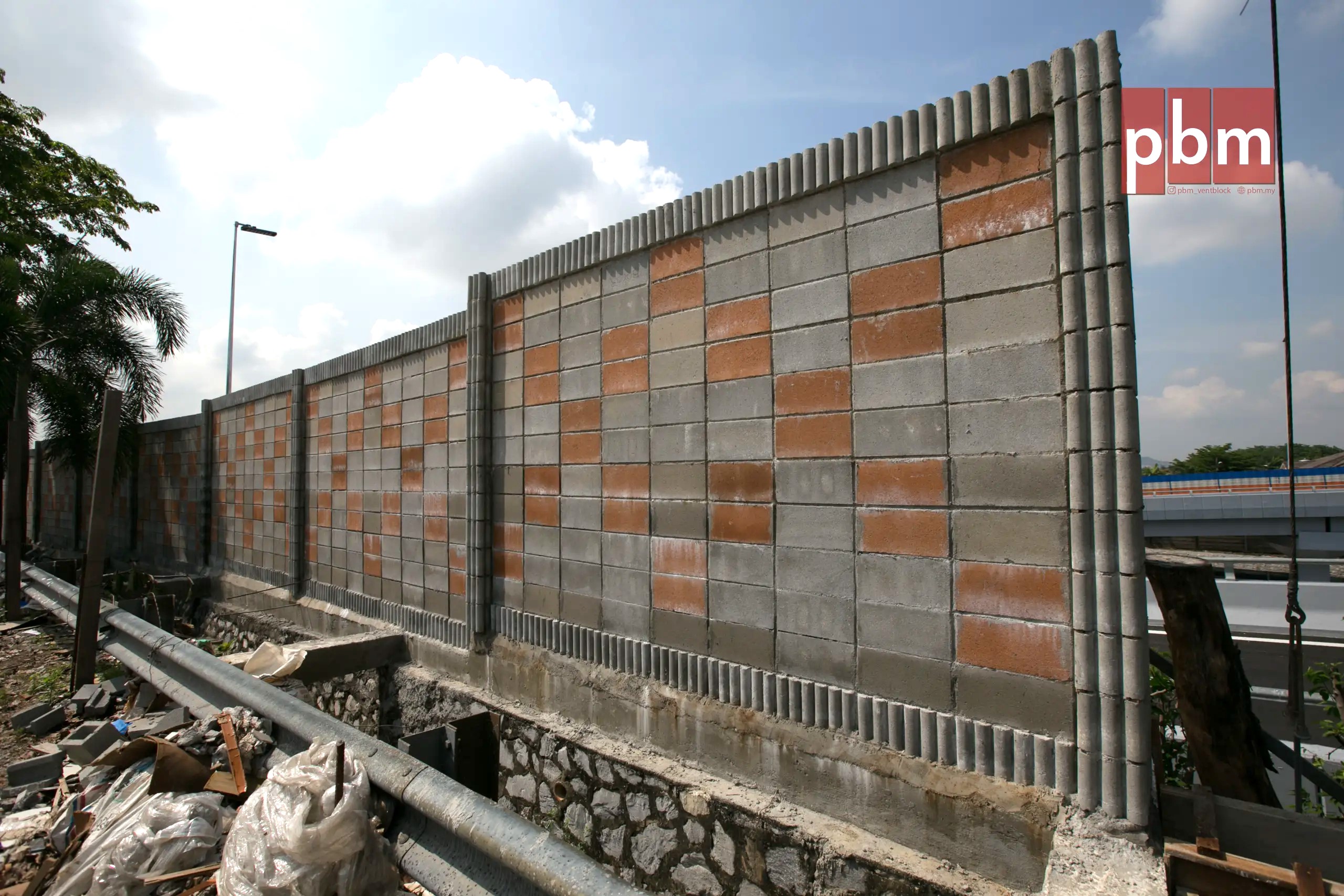
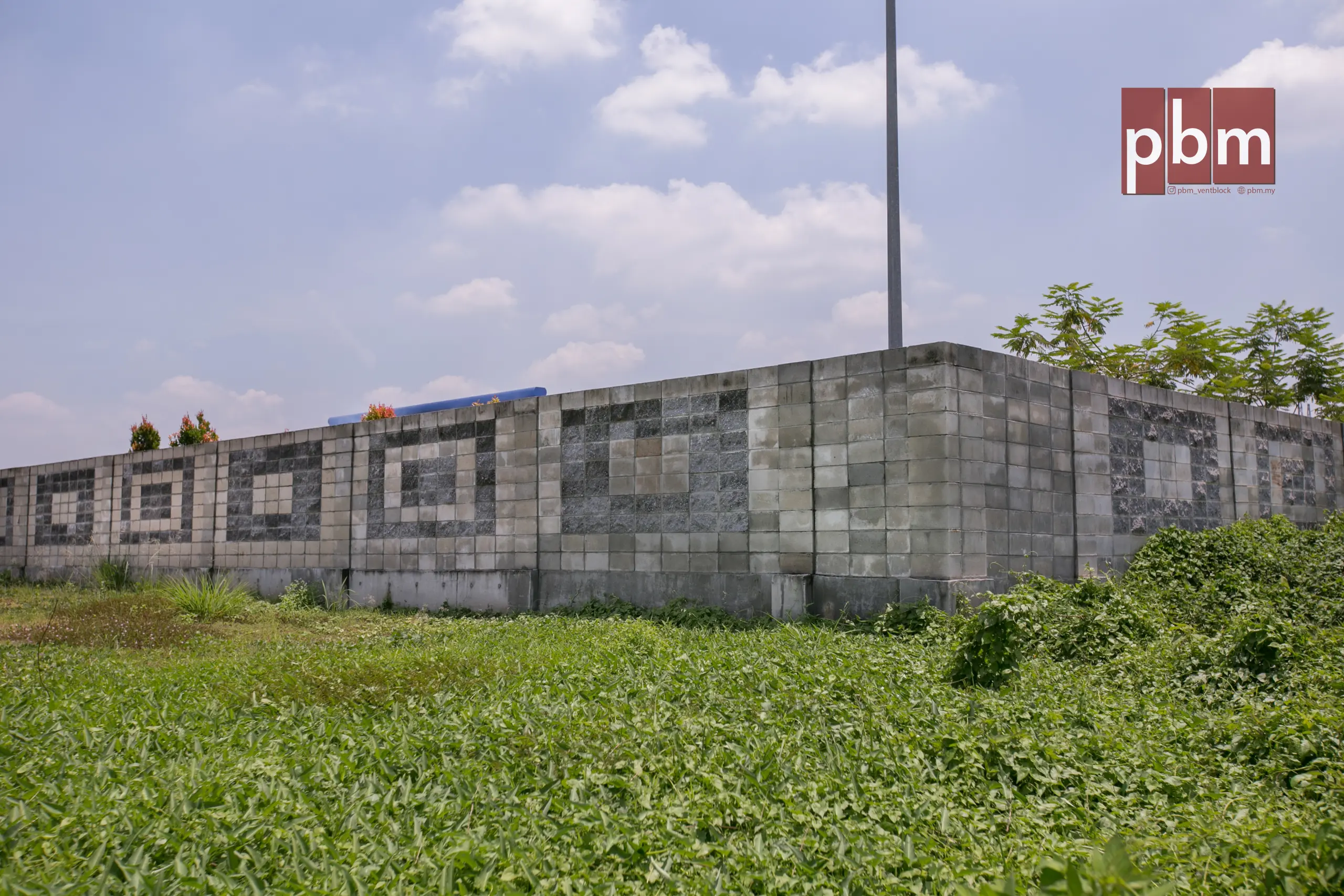
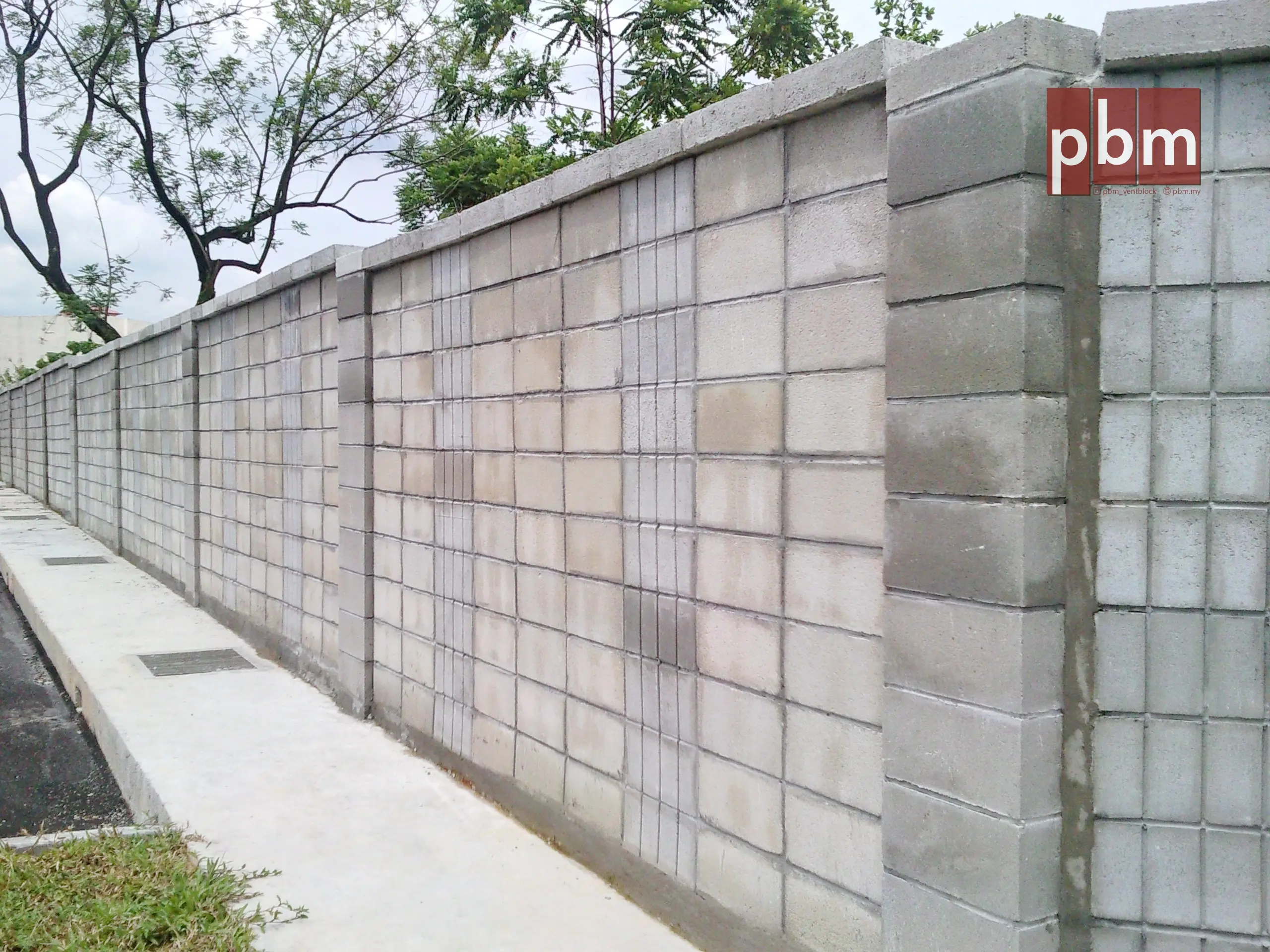
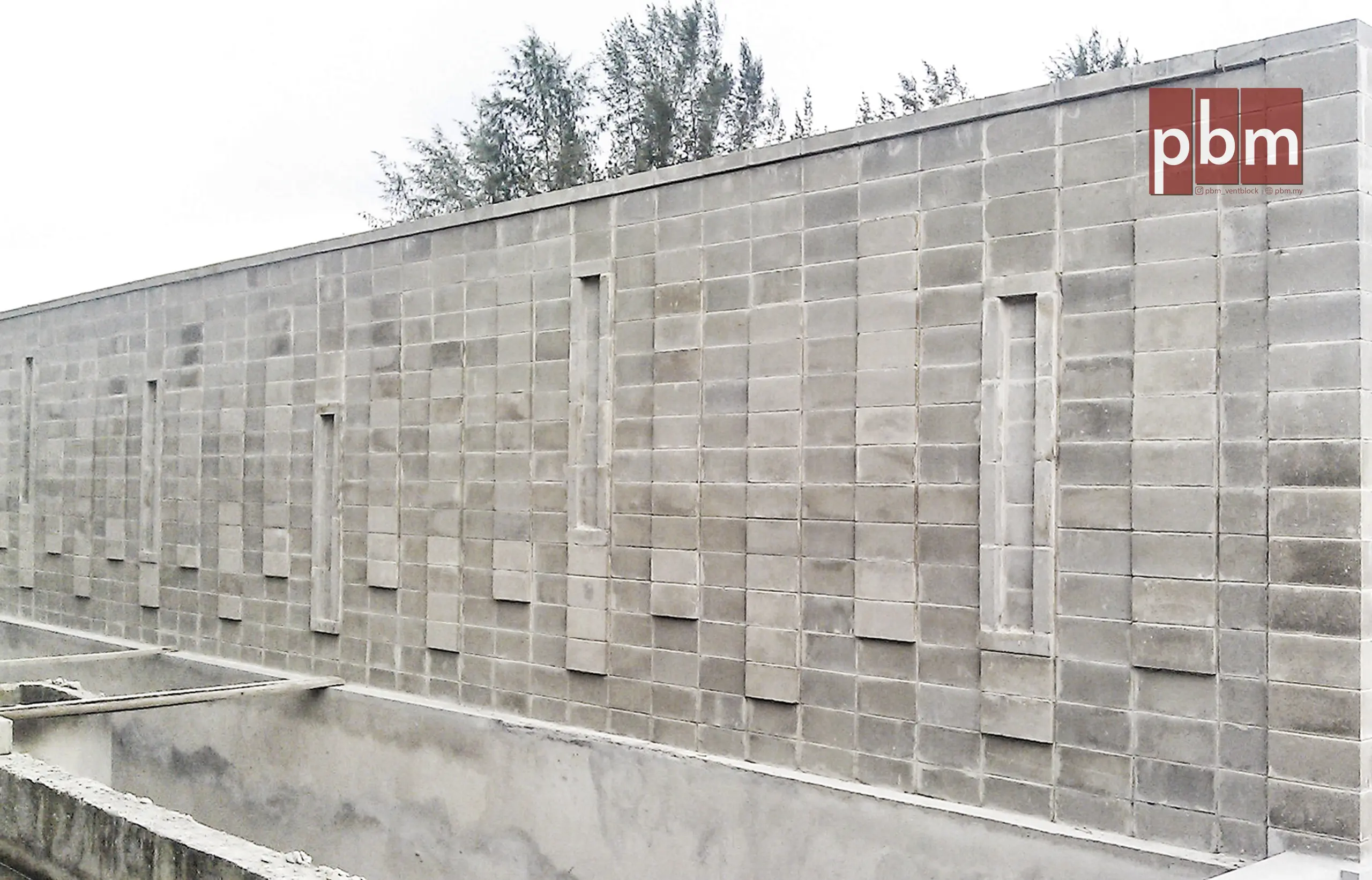
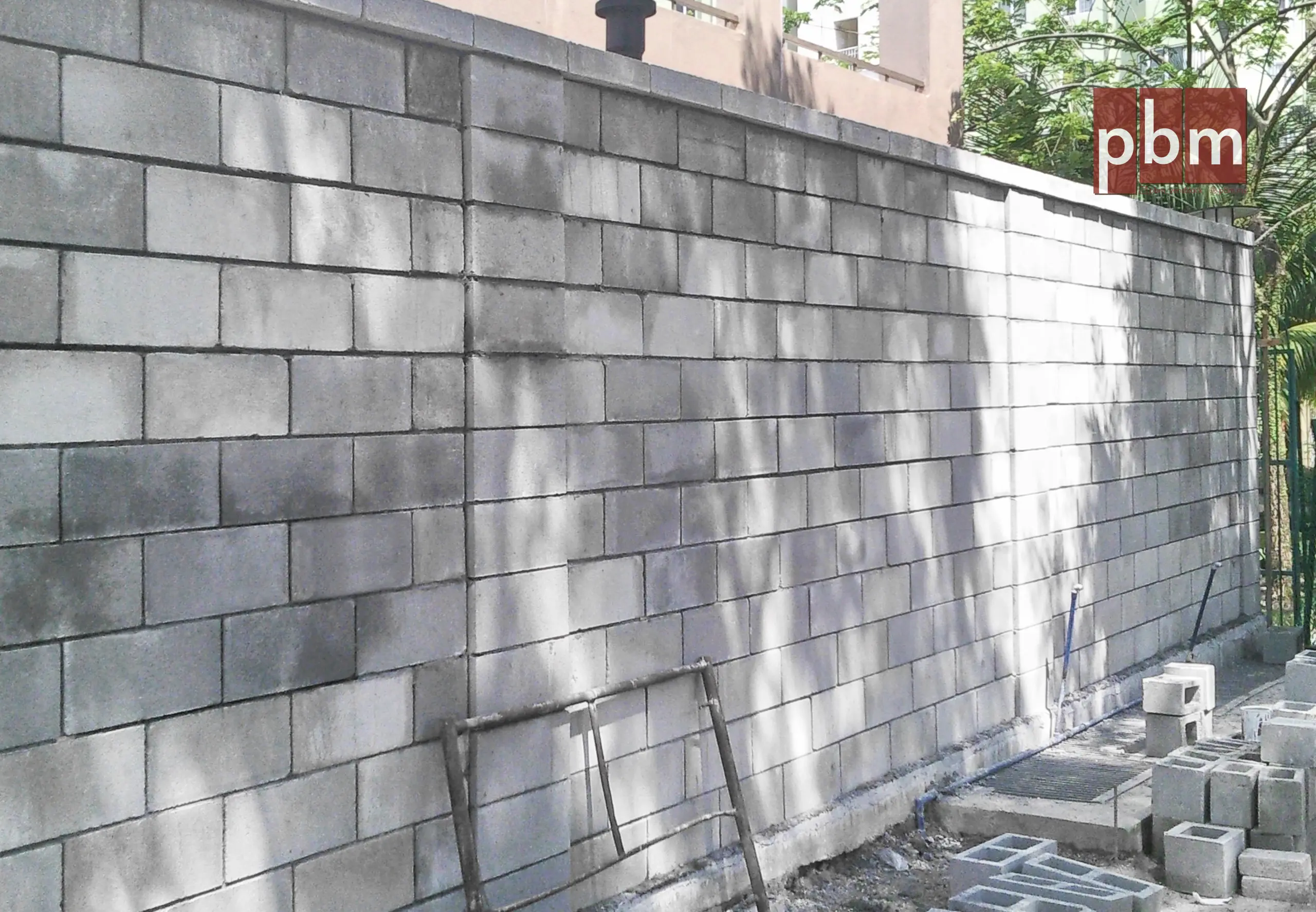
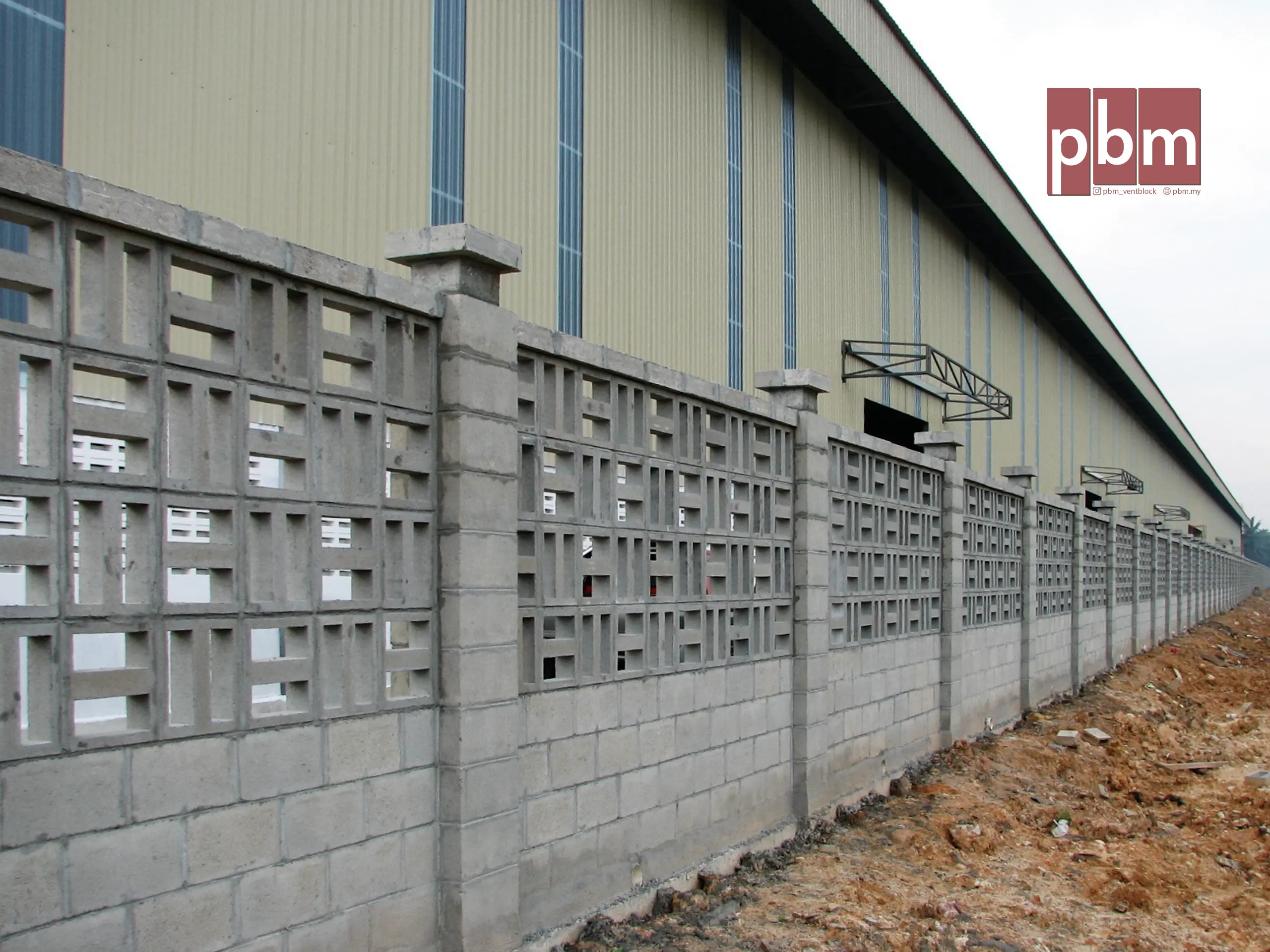
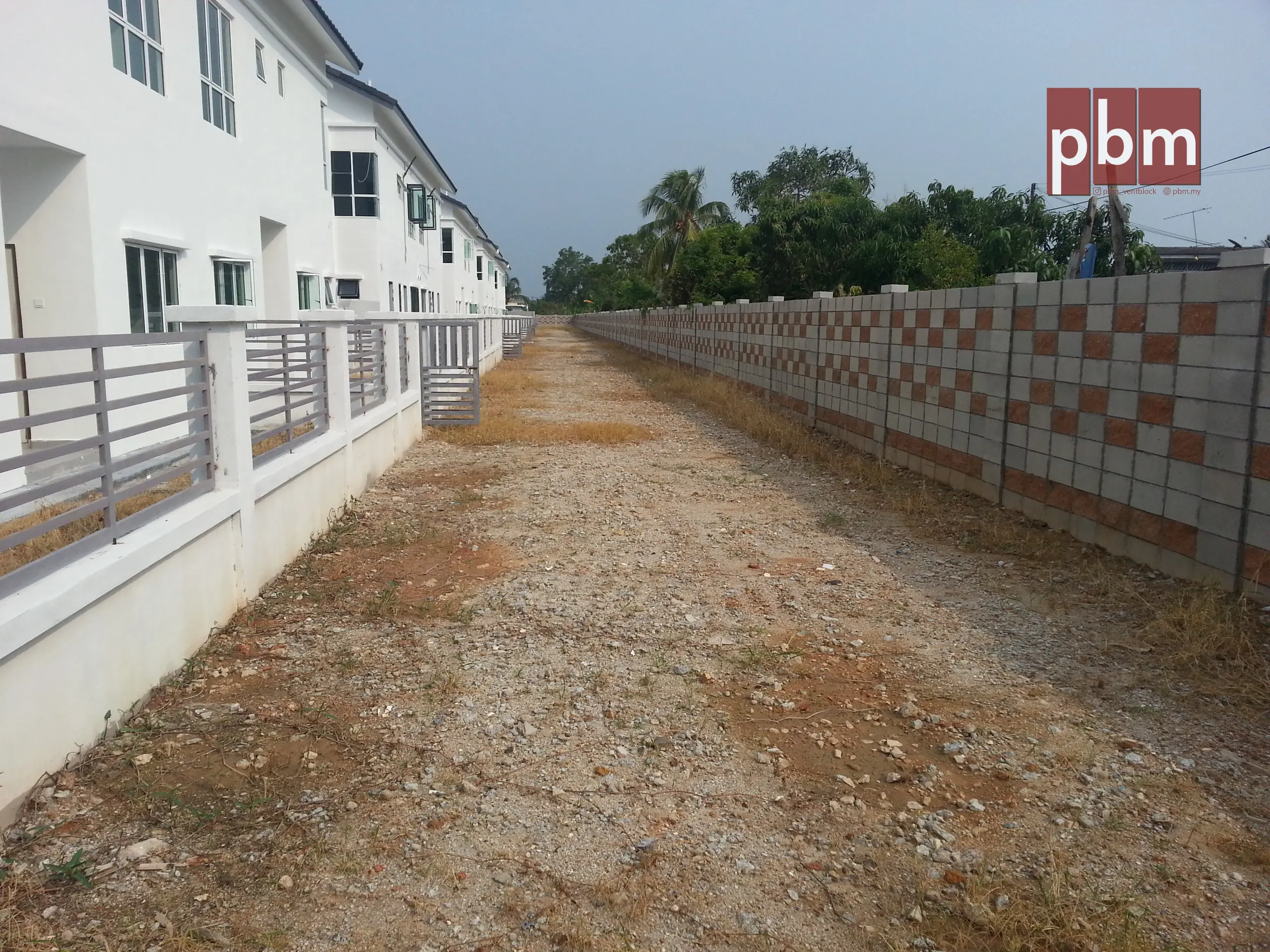
- Boundary, compound, and perimeter walls
- Load-bearing structural walls (140mm and 190mm widths, with reinforcement and concrete fill where required)
- Non-load-bearing partition walls (70mm to 115mm widths)
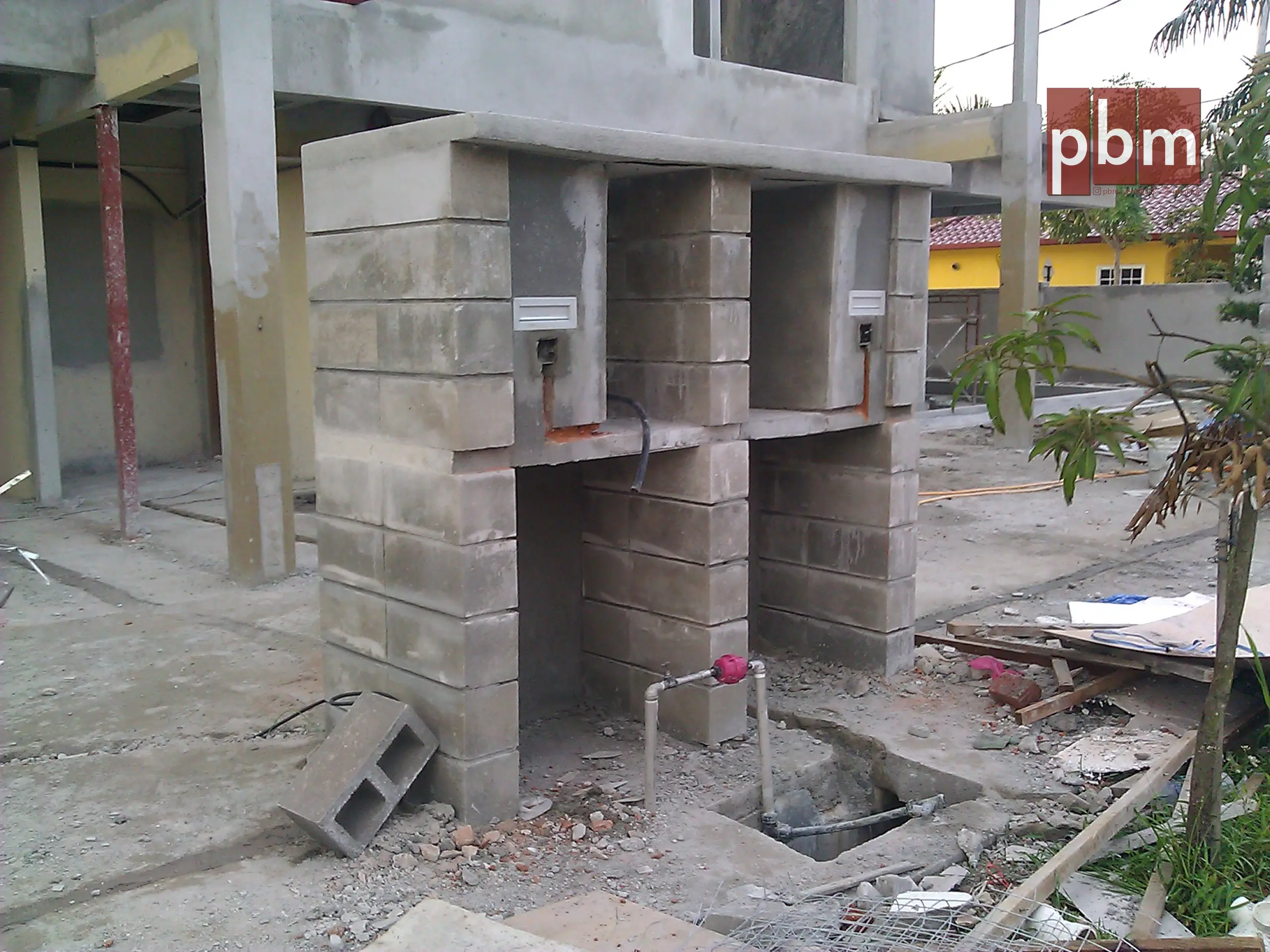
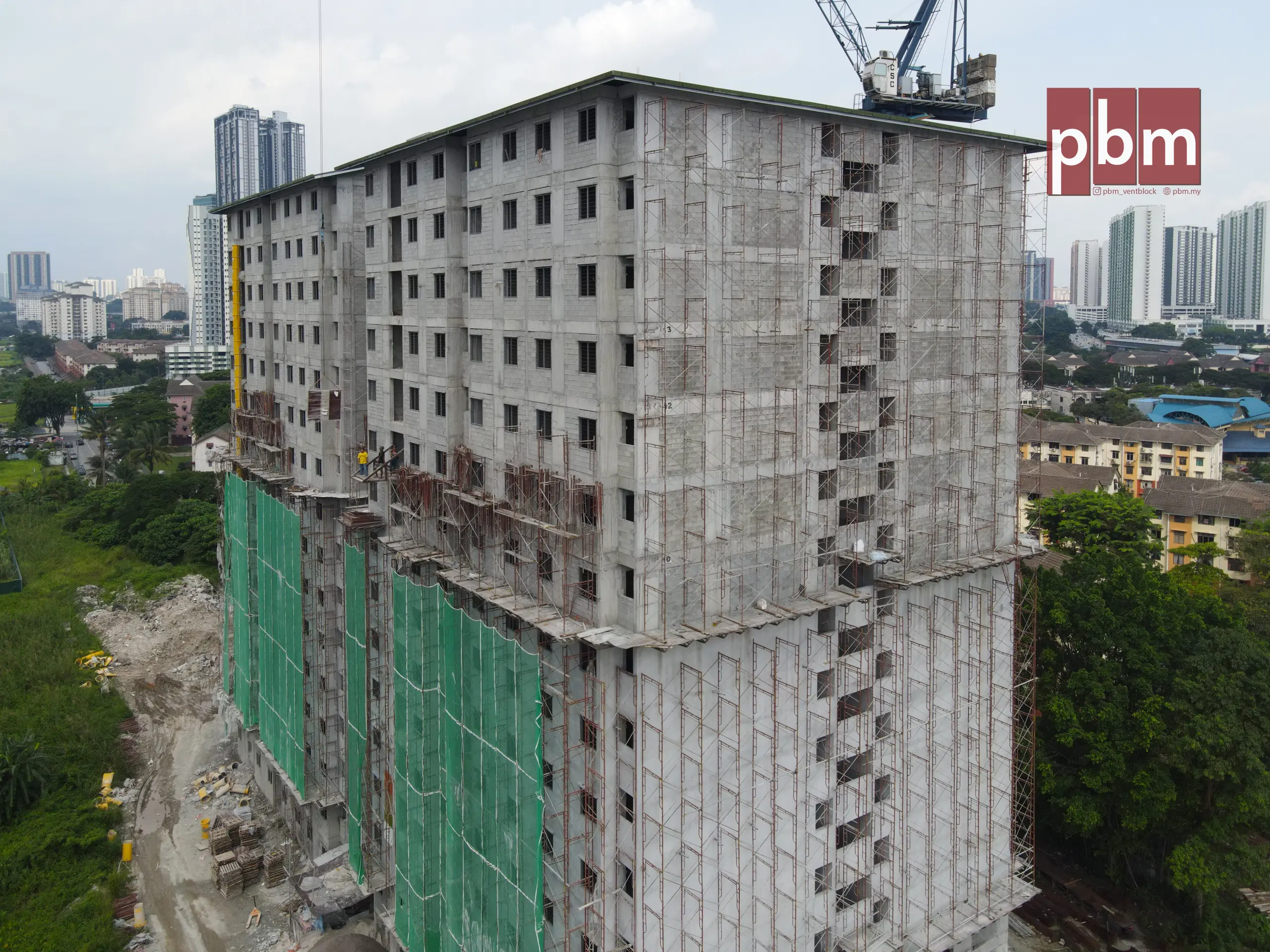
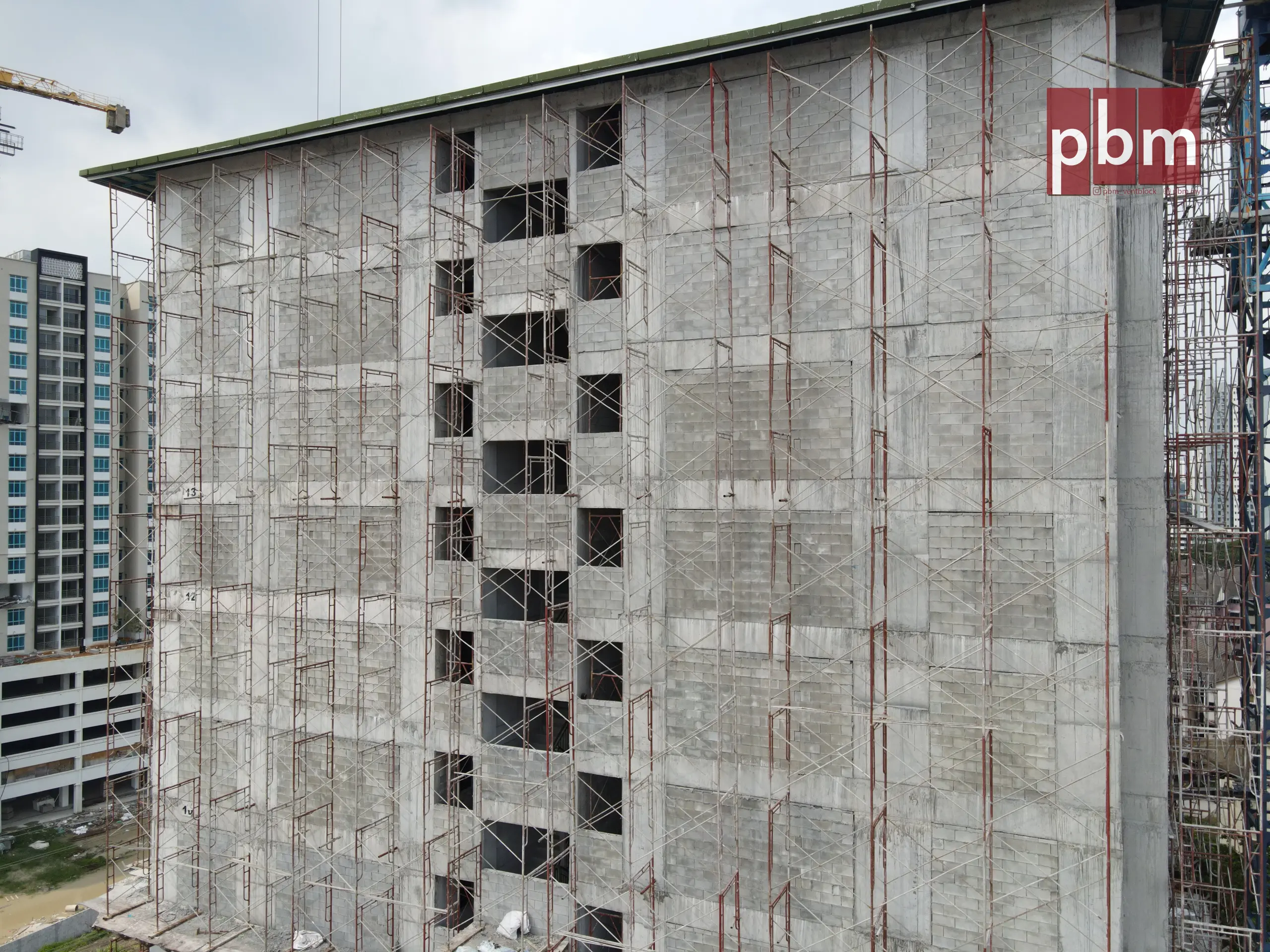
- Internal walls in commercial, residential, and institutional buildings
- Sound-attenuating wall assemblies
- Industrial, warehouse, and factory walls
Key Characteristics
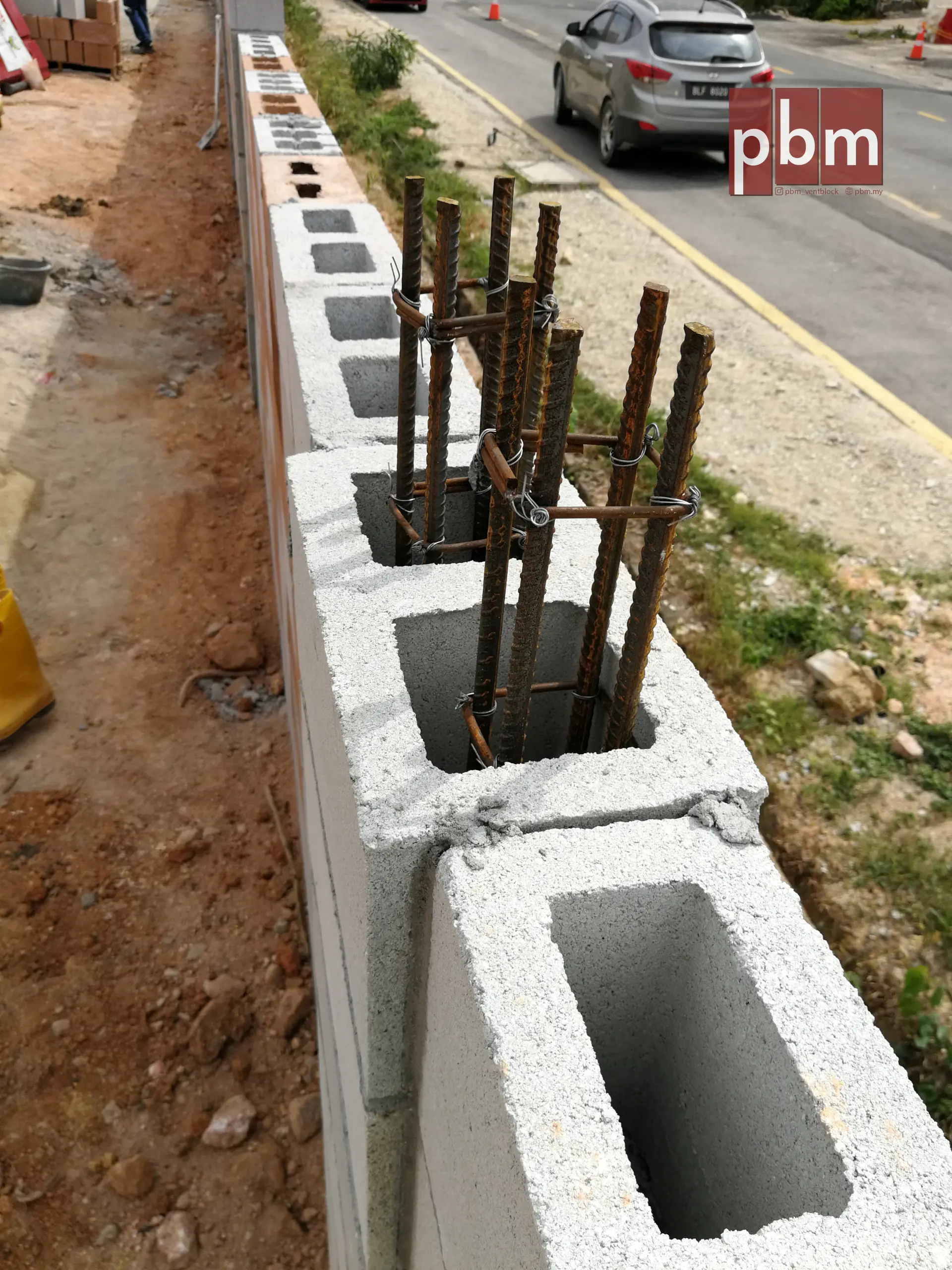
- Hollow cavity construction reduces unit weight and accommodates reinforcement bar plus concrete fill where structural capacity is required
- L-shape units for clean wall corners without on-site cutting
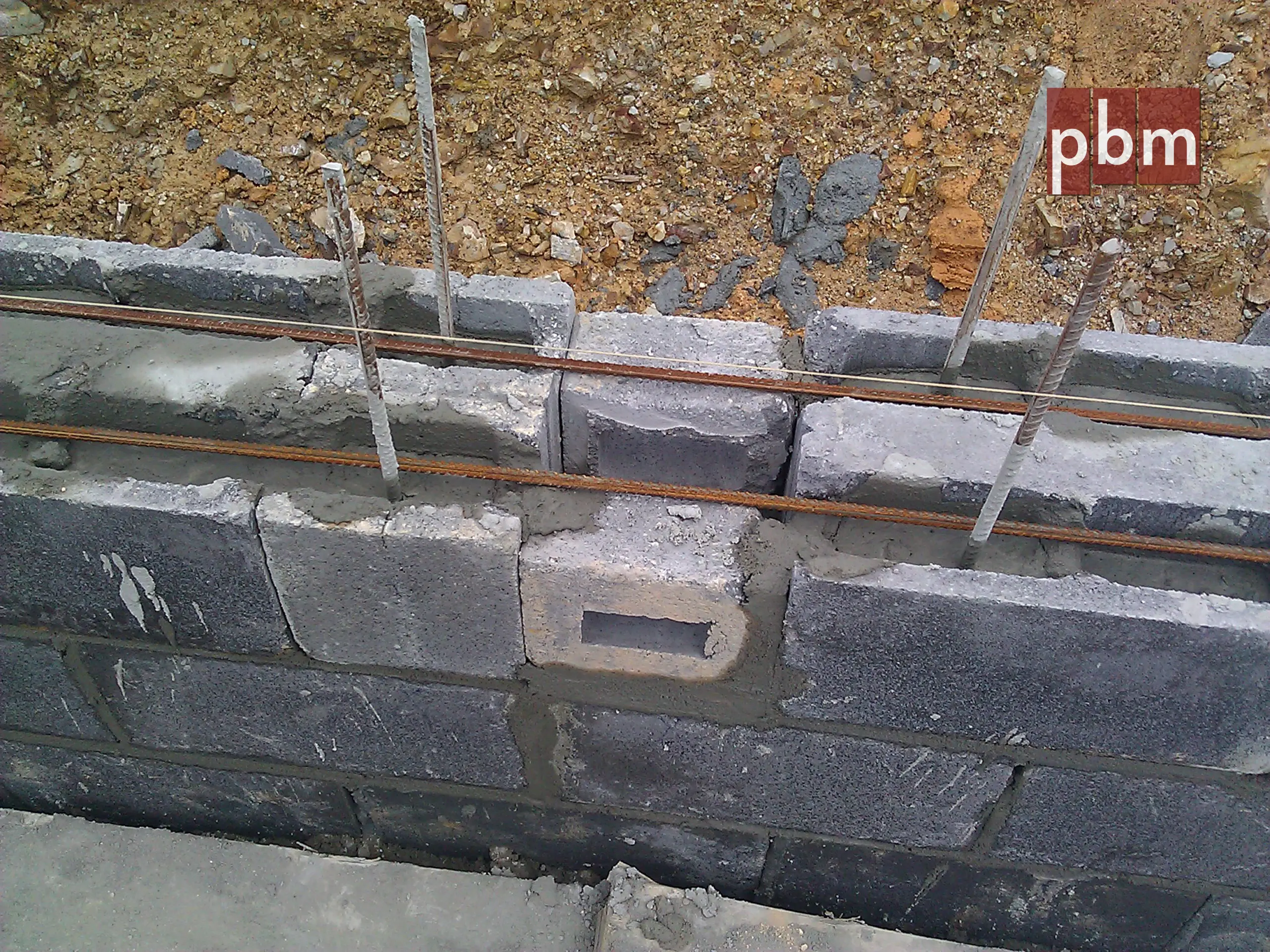
- U-shape channel units for lintels and bond beams without separate formwork
- Half blocks for course finishing, openings, and small returns
- Manufactured under controlled precast conditions for dimensional consistency
Downloads —
CAD drawings and technical documents for specification use.


Installation Notes
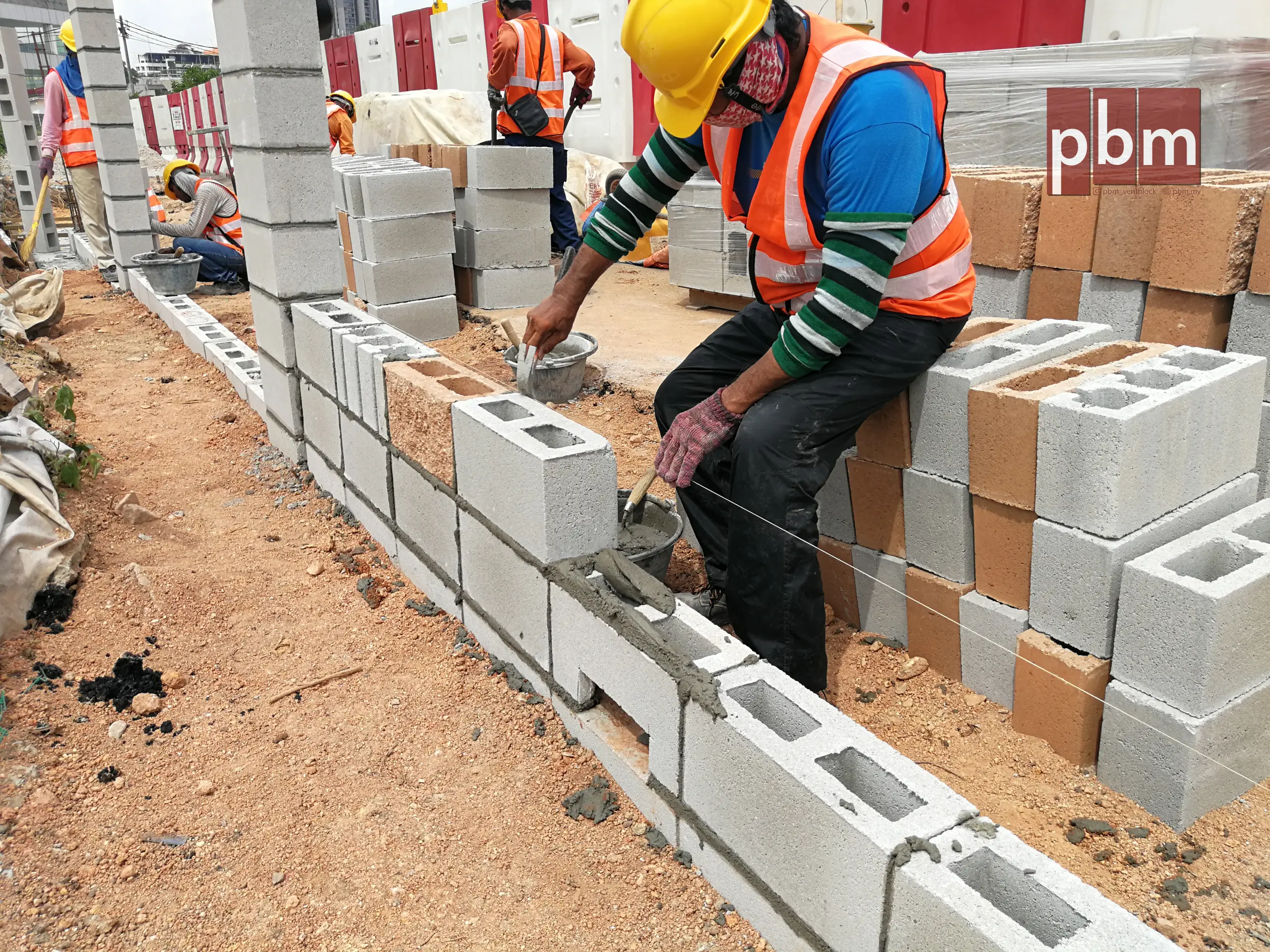
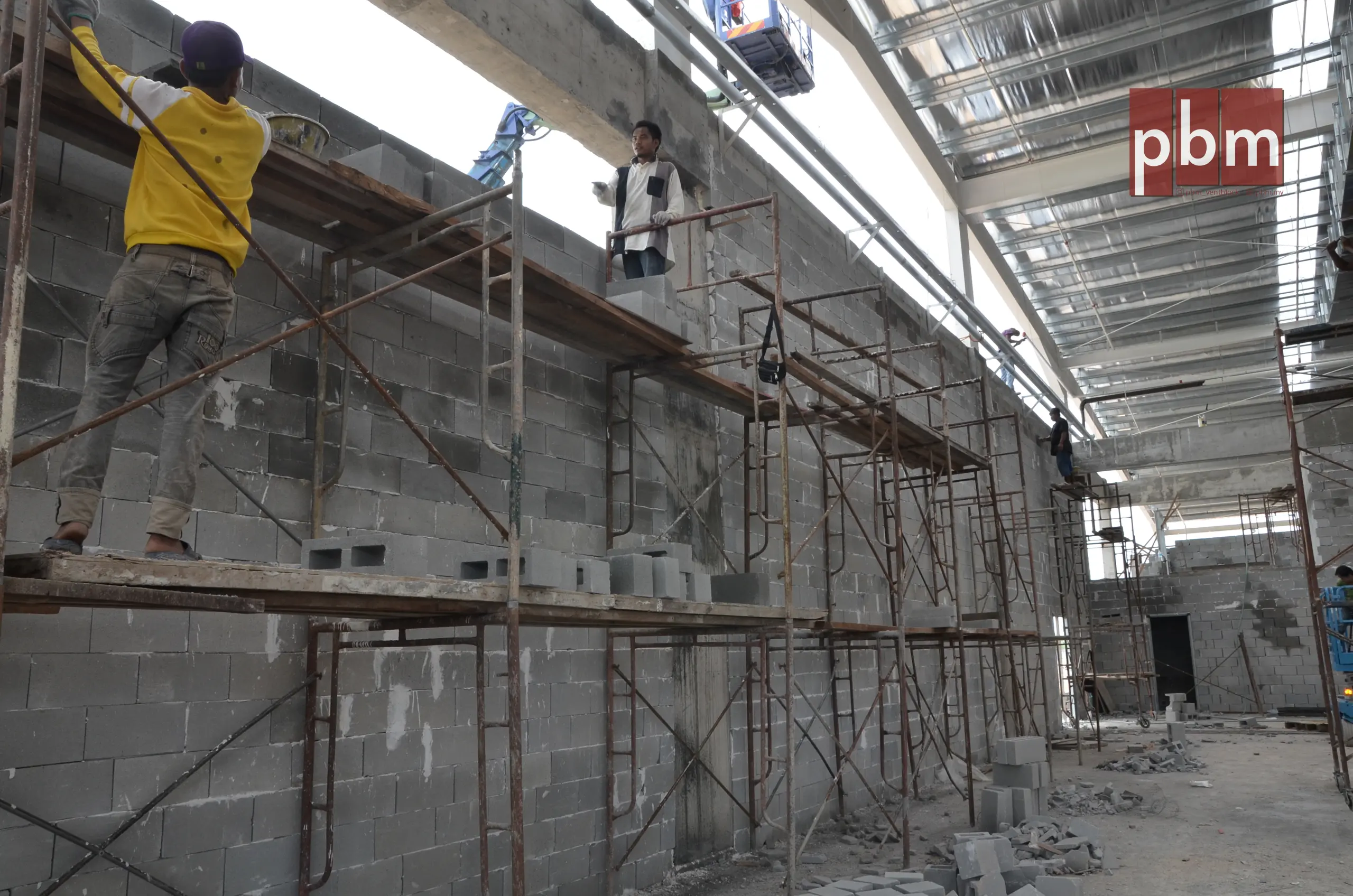
- Build walls in stretcher bond using 1:3 cement-sand mortar, joints not exceeding 10mm thick with concave finish
- Limit block work to a maximum of 5 courses per section in any one day
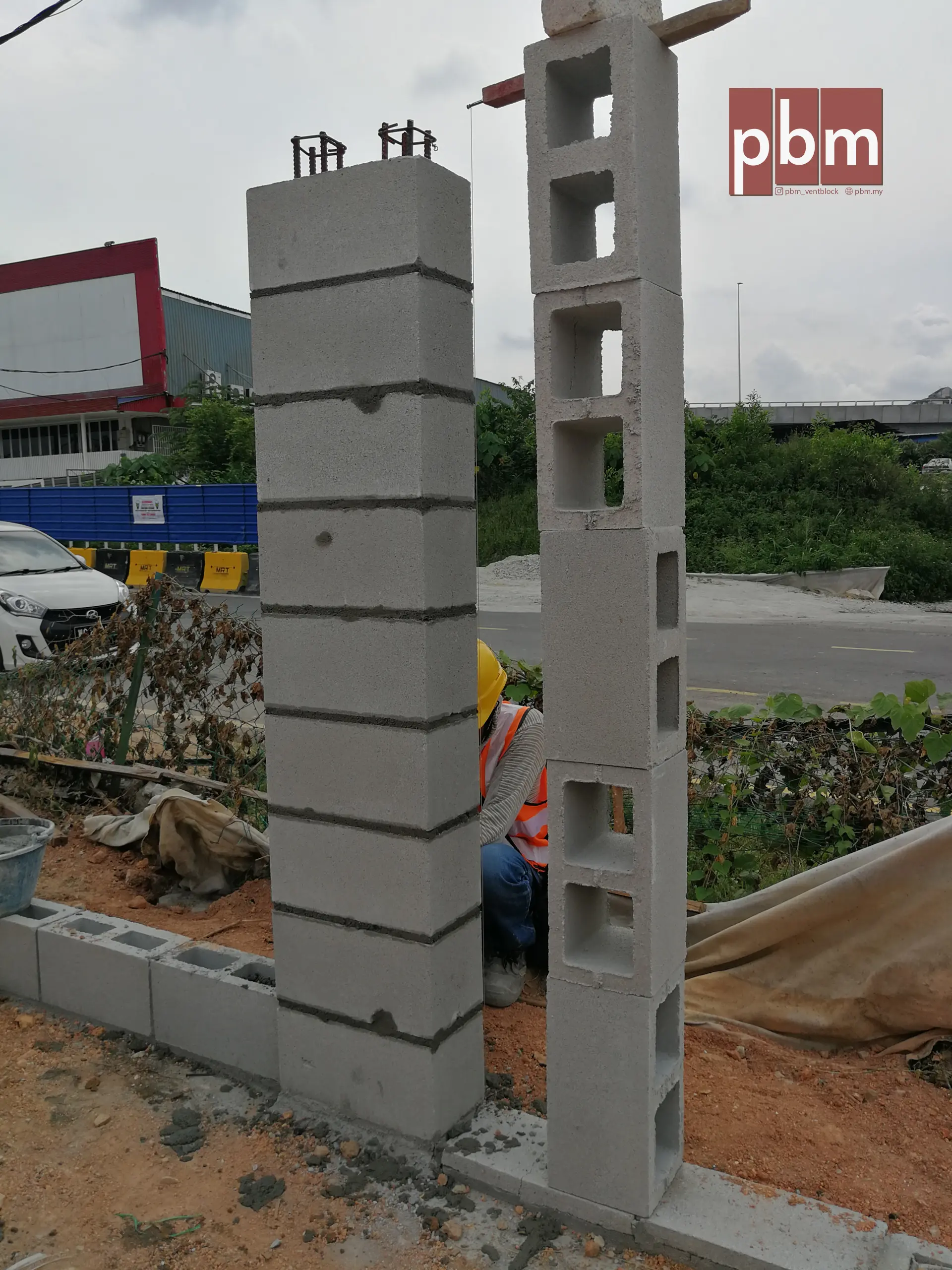
- Fill hollow cavities with solid concrete at door / window jambs and at all reveals of openings
- Cure block work for at least 7 days before applying loads or finishes
- Refer to the full Method Statement PDF in the Downloads section for the complete 12-step procedure
FAQ —
What's the difference between a full block (.01) and a half block (.05)?
The full block measures 390 × 190mm on the face; the half block measures 190 × 190mm. Half blocks are used to finish courses, complete corners, and infill openings without cutting full blocks. Both share the same width (e.g., 90.01 and 90.05 are both 90mm wide).
When should I use an L-shape block?
L-shape blocks (100.01 L, 115.01 L) are used to form clean wall corners without cutting or notching standard blocks. They produce a structurally sound corner with consistent bond pattern and reduce on-site cutting waste.
What's a U-shape block used for?
U-shape channel blocks (140.01 (U), 190.01 (U)) carry a continuous channel along the top face. They are used to construct lintels above door and window openings and to form bond beams (continuous reinforced concrete beams within the wall course) without separate formwork.
Which width do I need for a load-bearing wall?
Generally, 140mm and 190mm widths support load-bearing applications when reinforced and filled appropriately. 70mm to 115mm widths are typically specified for non-load-bearing partition walls. Final selection depends on structural calculations – consult the project structural engineer.
Do I need to fill the cavities with concrete?
Cavity fill is required where the wall is reinforced for structural load, at jambs and reveals of openings, and at lintels and bond beams. For non-load-bearing partition walls, cavity fill is generally not required.