
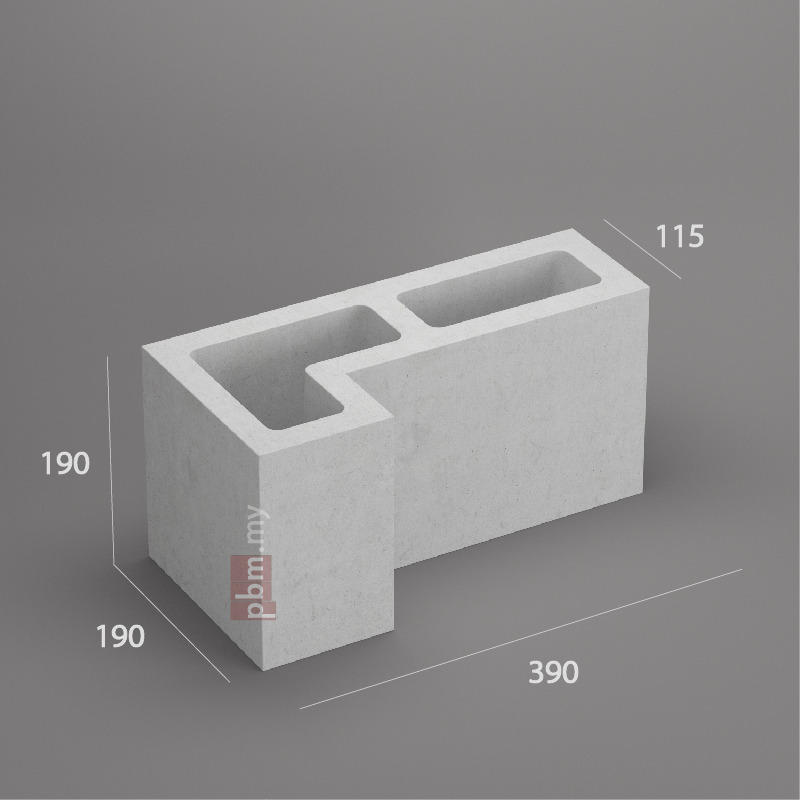
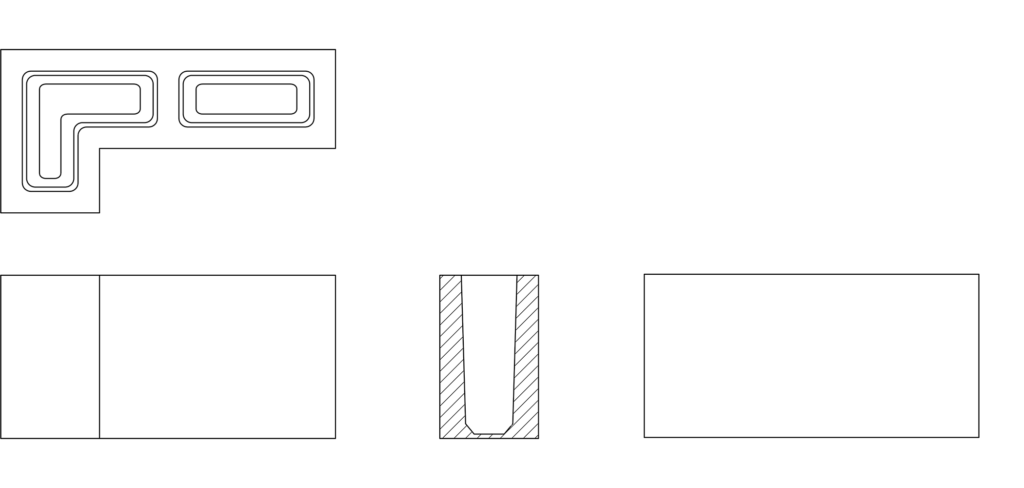
GB 115.01 L
Product Info
Dimensions (L x W x H)
Unit Weight
Coverage
Packaging
Type
Product Description —
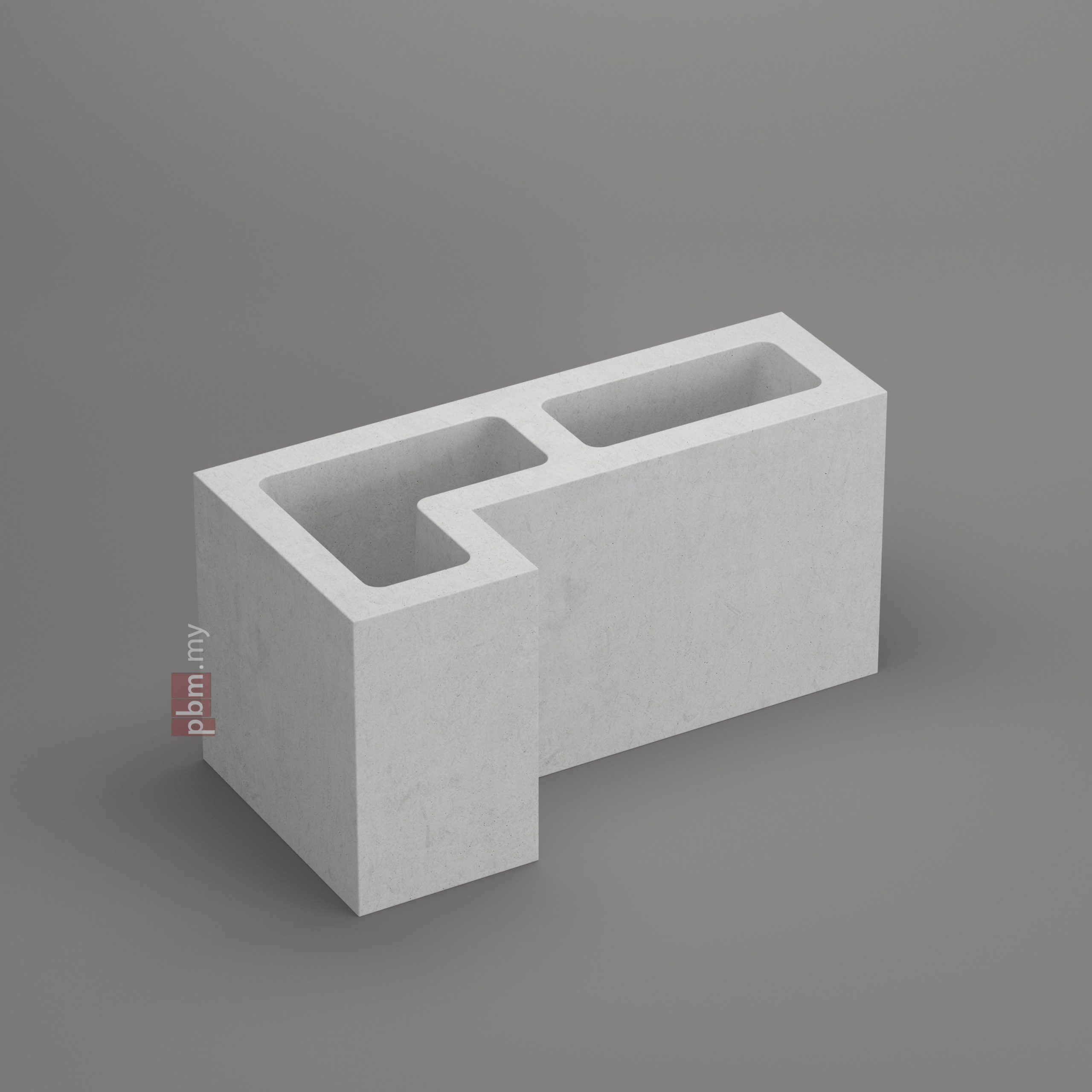
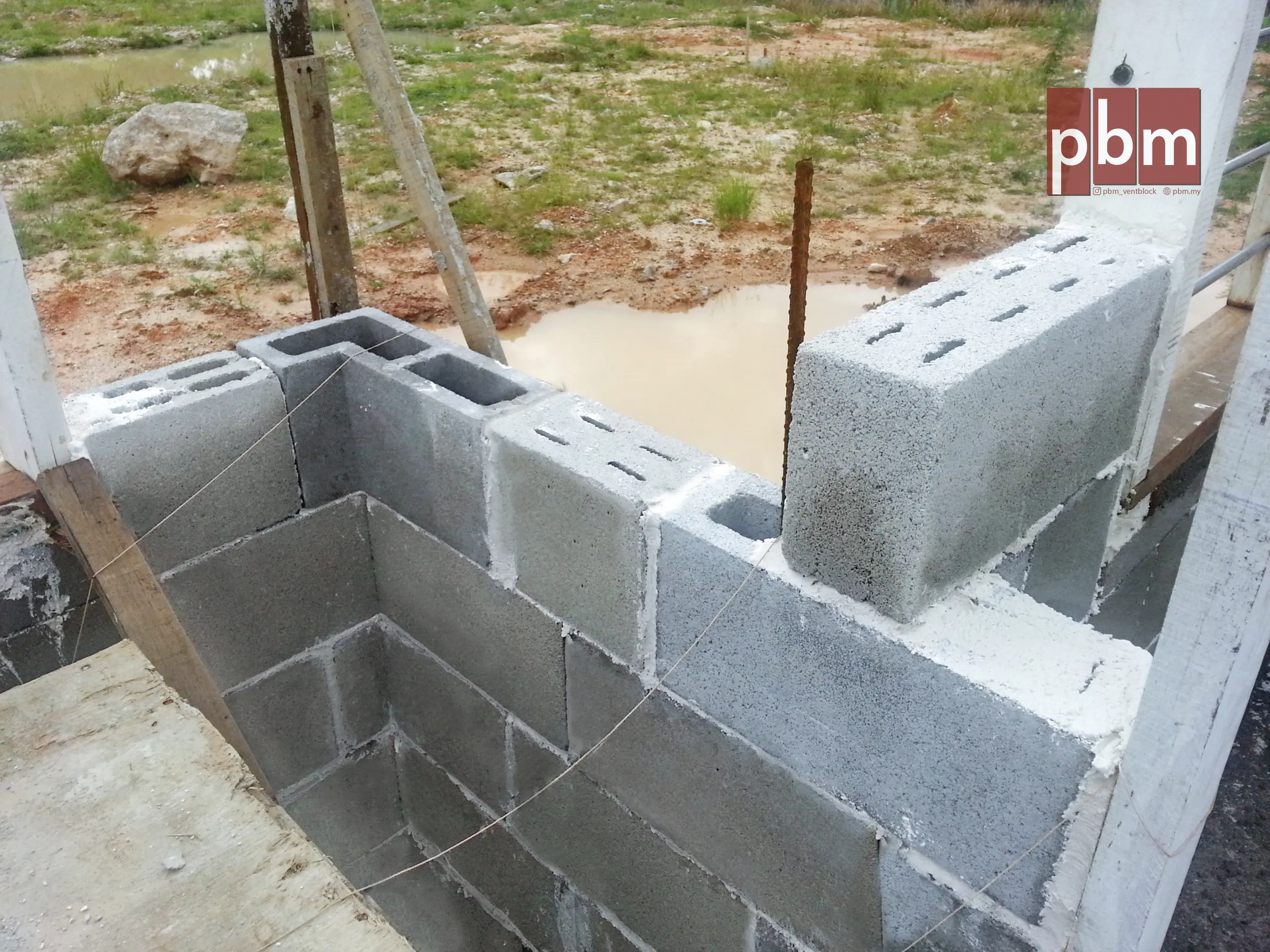
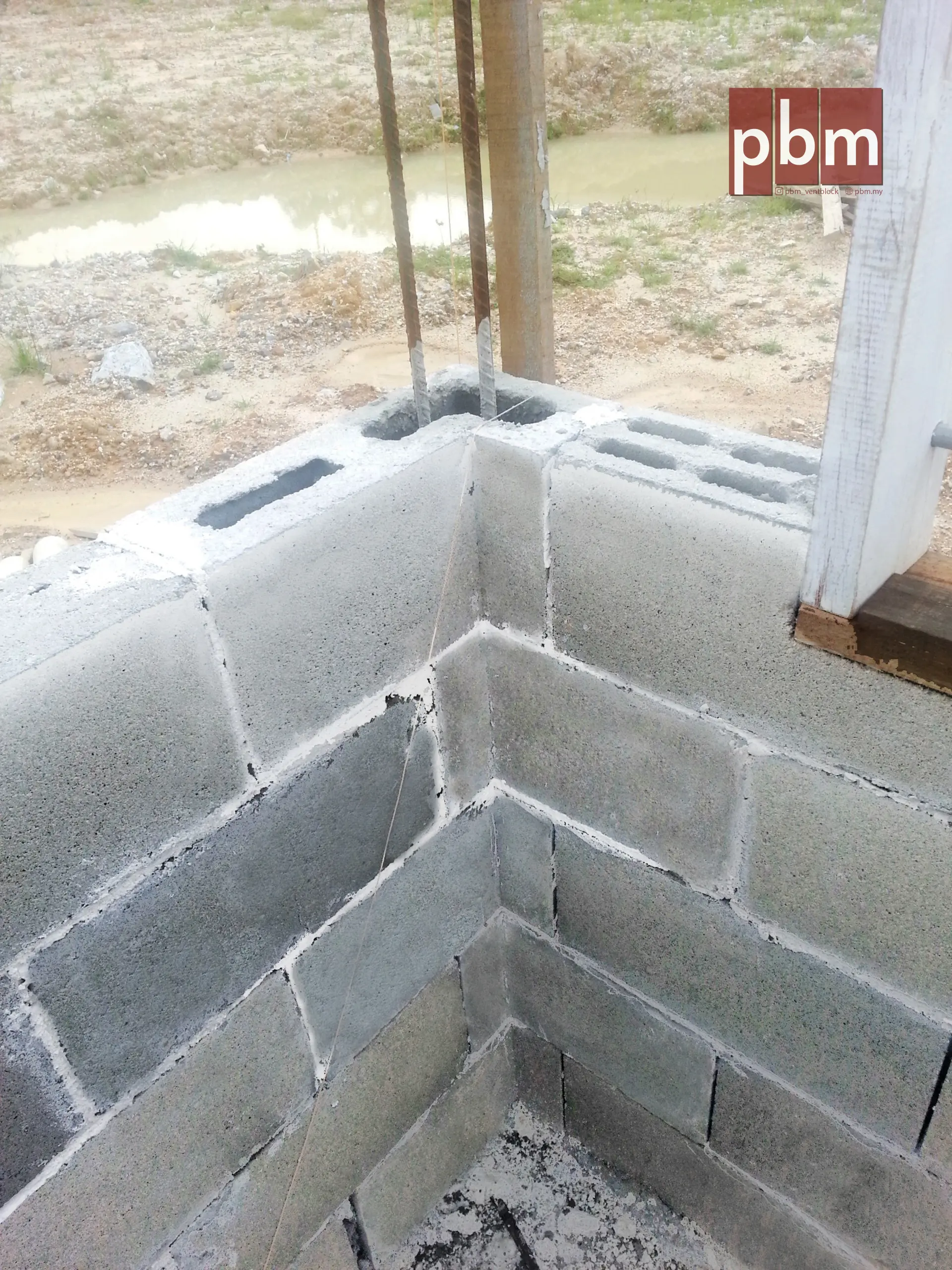
L-shape corner block matching GB 115.01 width, with stepped profile from 115mm to 190mm. Forms clean wall corners in 115mm GenBlock partition construction. Maintains bond pattern continuity at internal corners without requiring on-site cutting.
Application
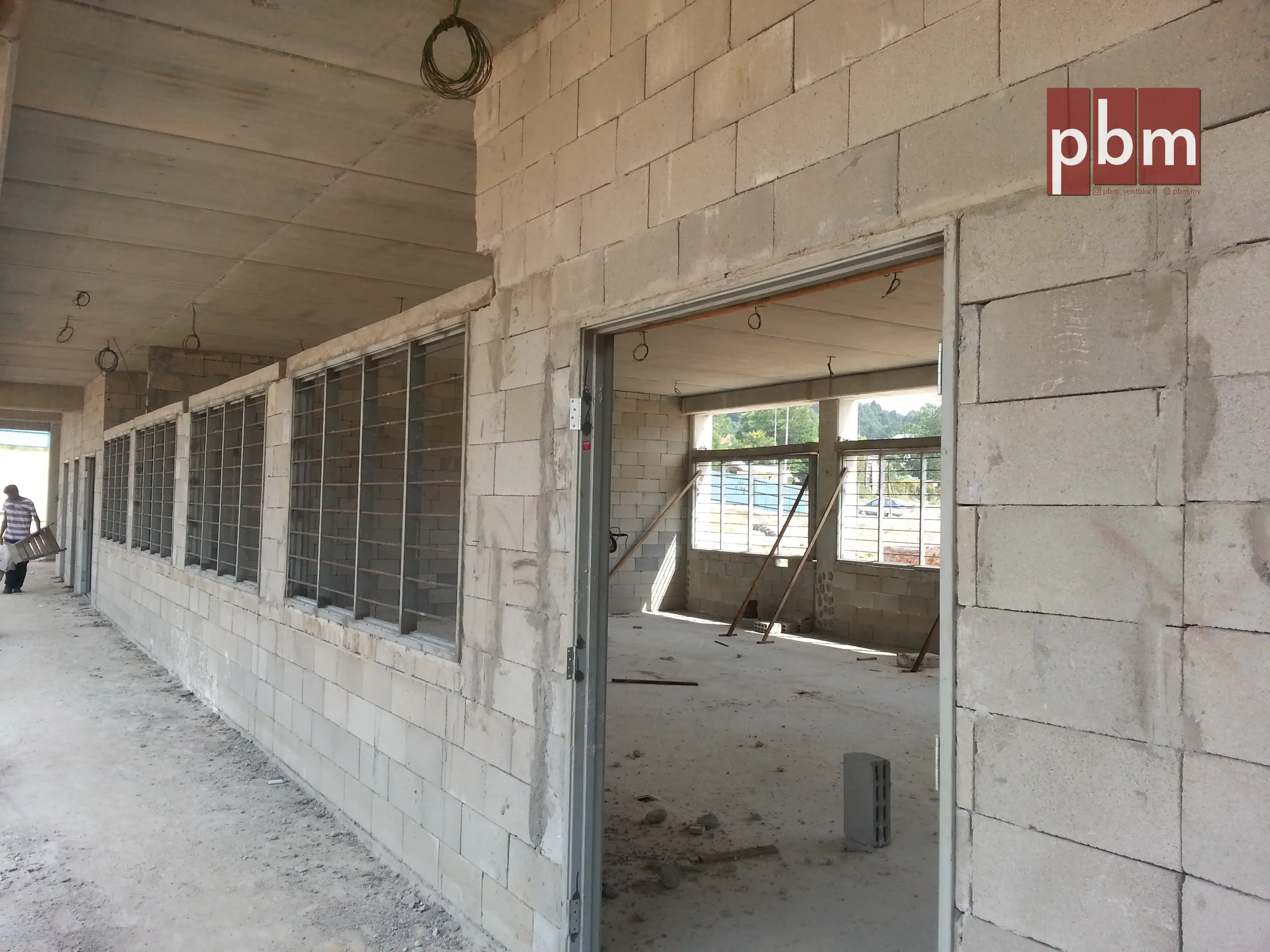
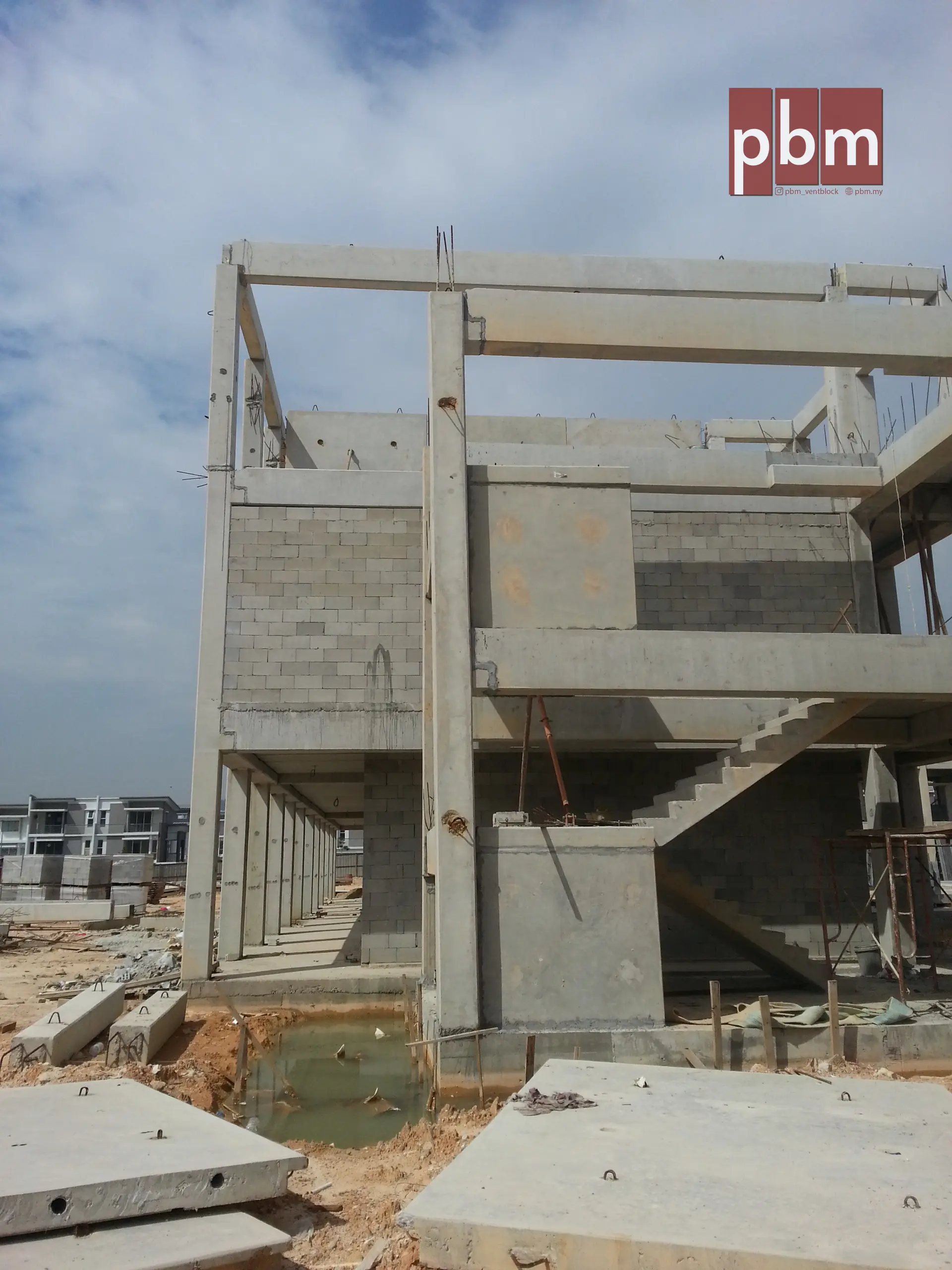
- Non-load-bearing internal partition walls in residential, commercial, and institutional buildings
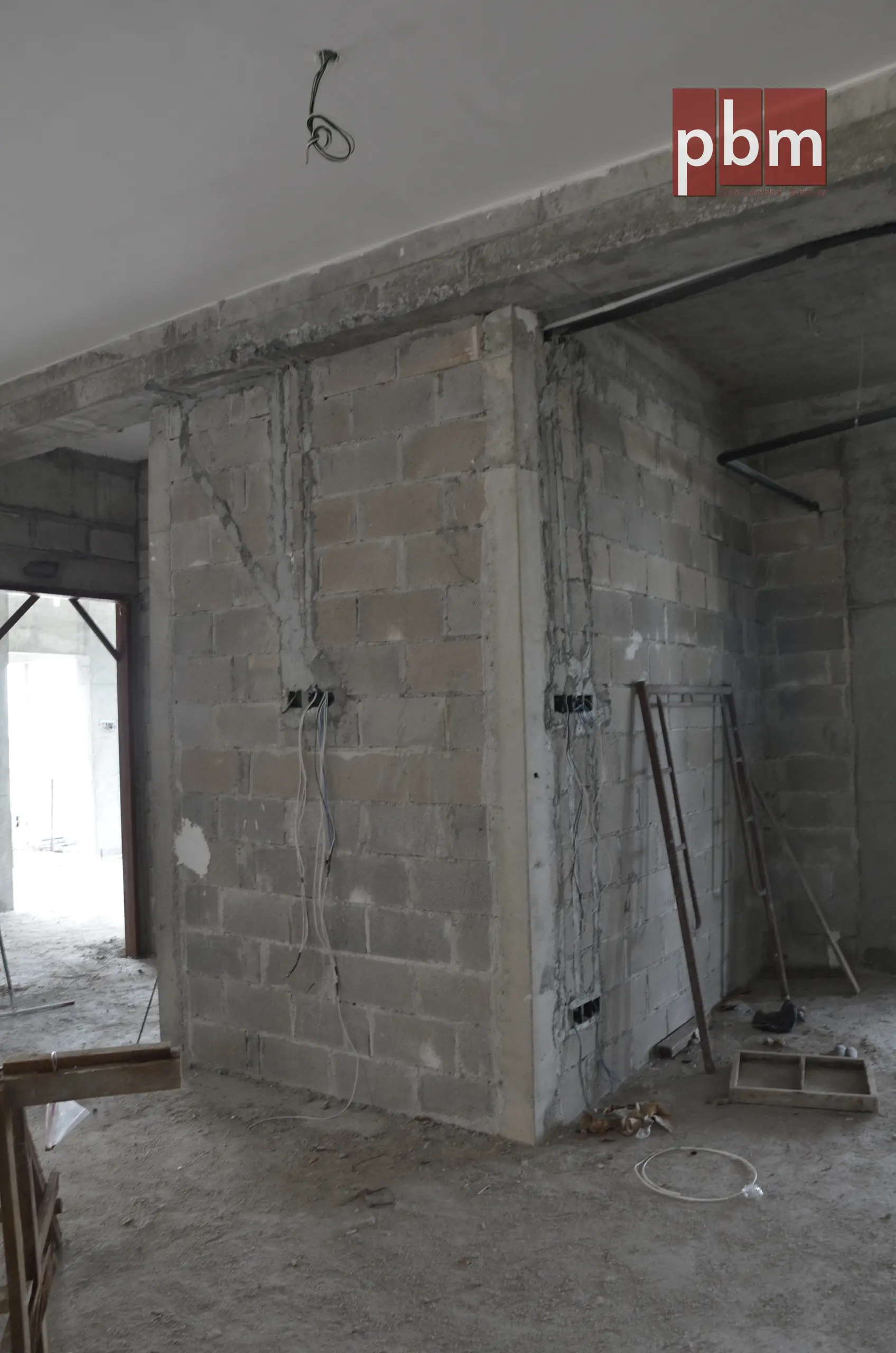
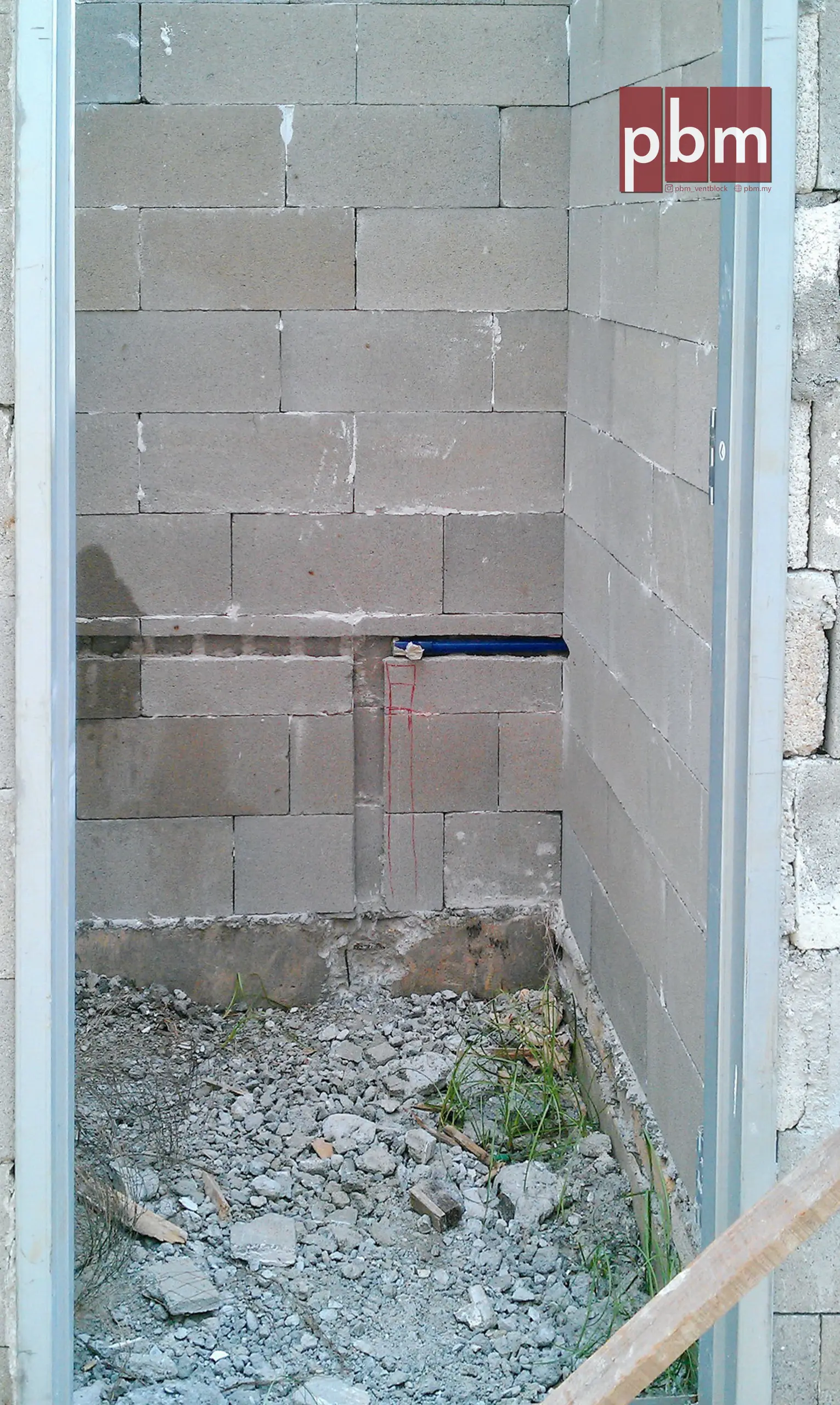
- Service walls - concealed routing of electrical conduits and plumbing
- Boundary walls in light, non-structural applications
- Internal walls in commercial, residential, and institutional buildings
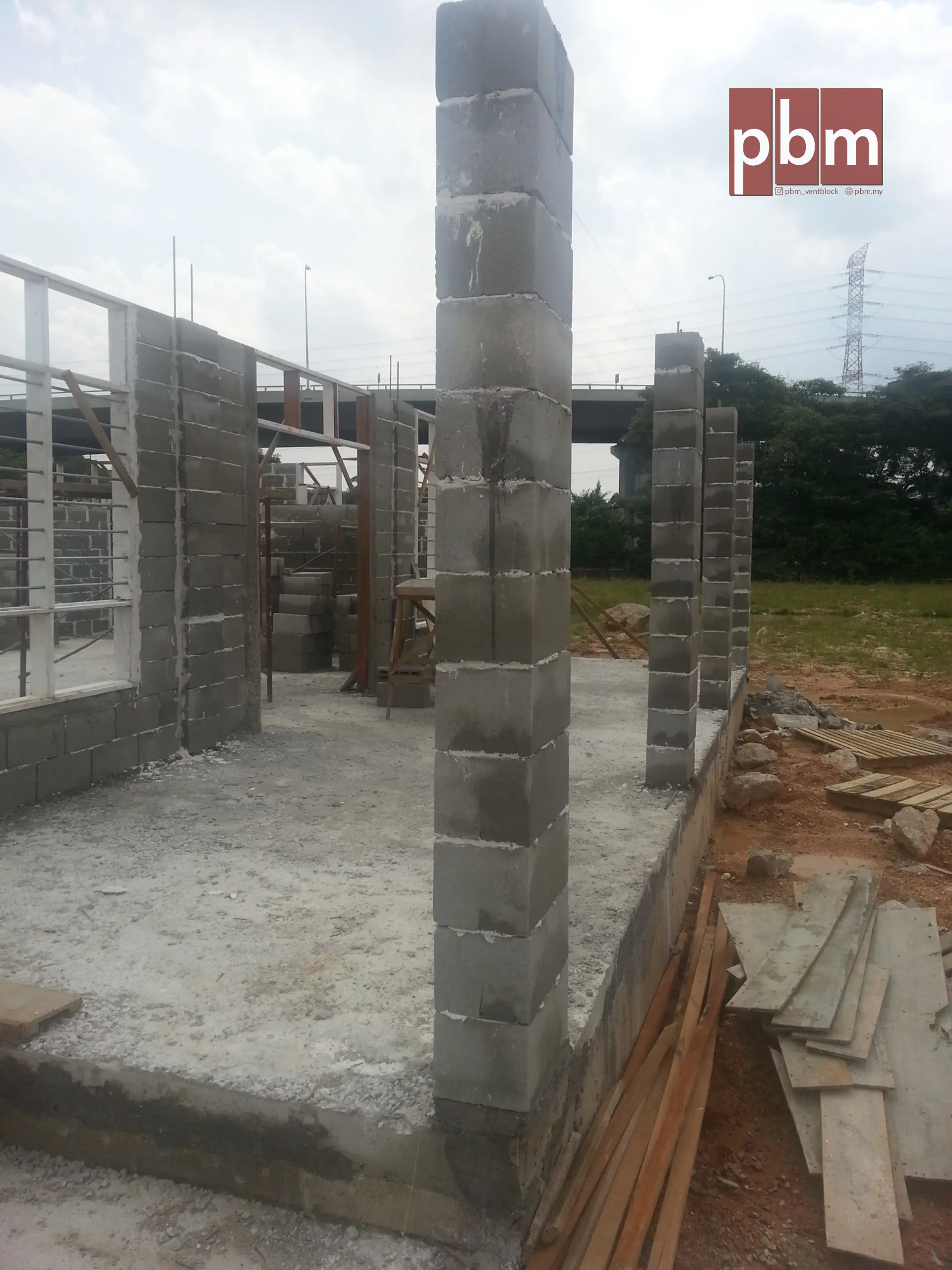
- Internal columns and pillar construction (GenBrick Pillar, Solid Block)
Key Characteristics
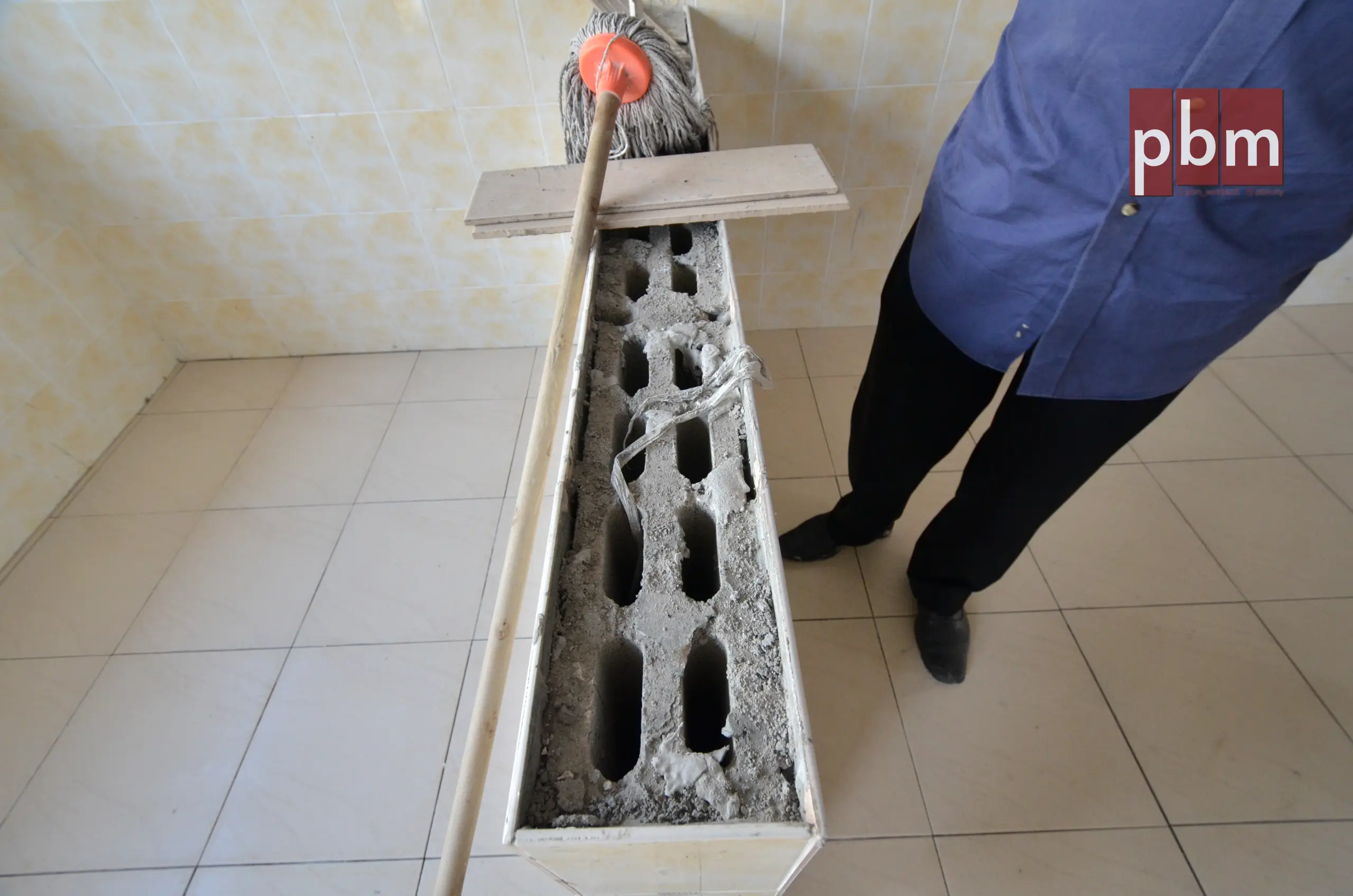
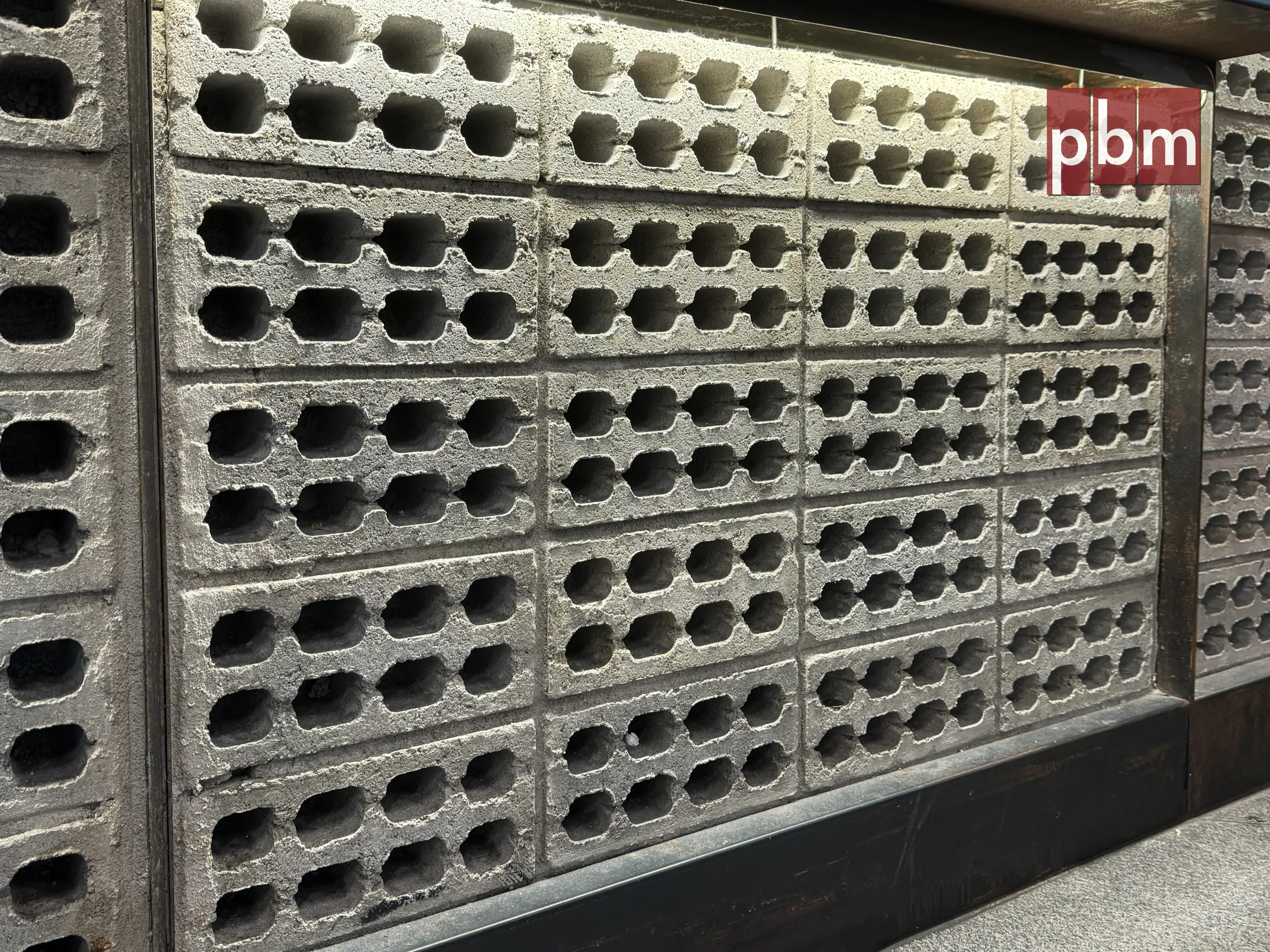
- Multi-cavity profile reduces unit weight and accommodates services routing within the wall
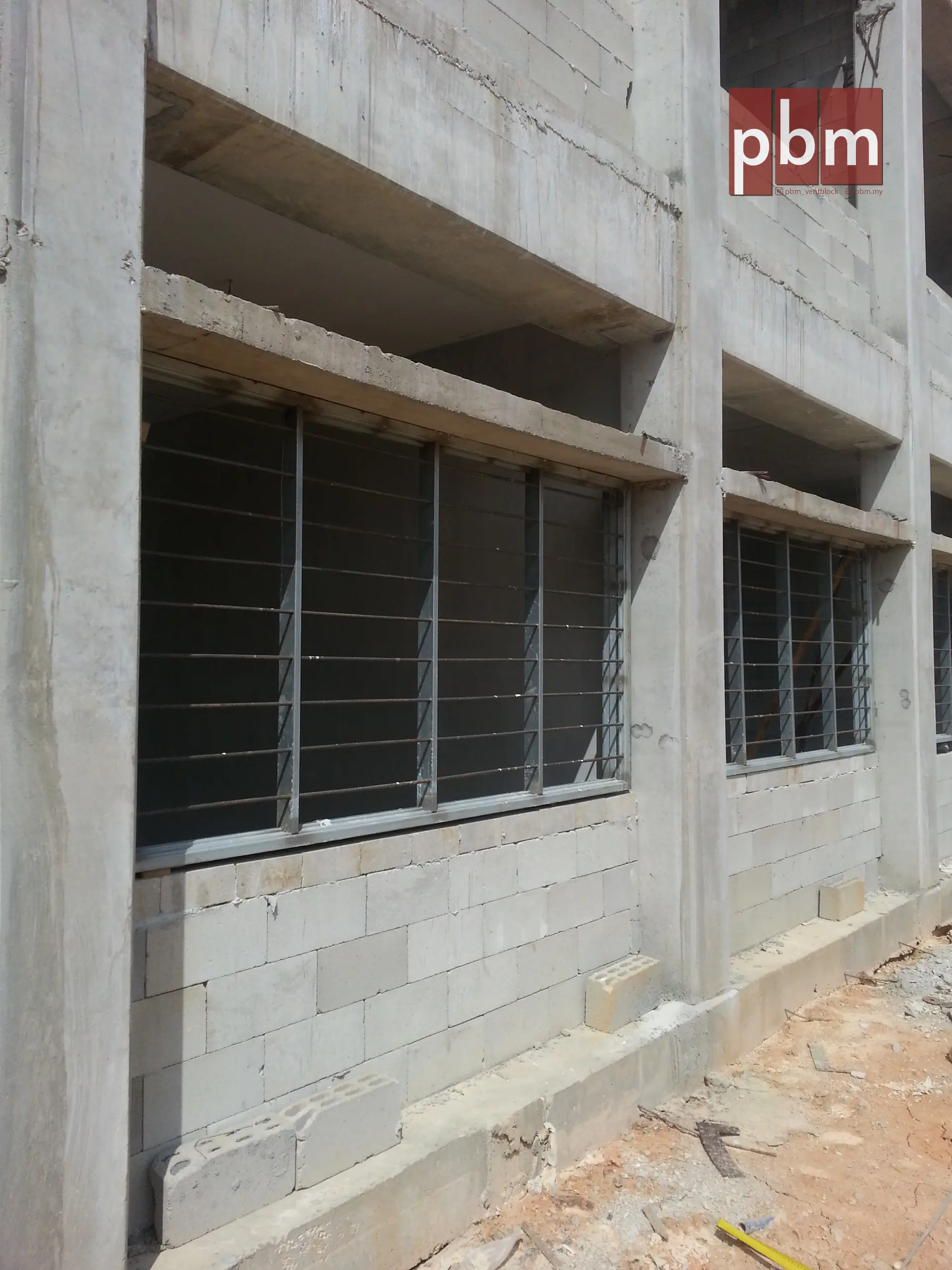
- 115mm standard width fits standard door and window frames without packing or shimming
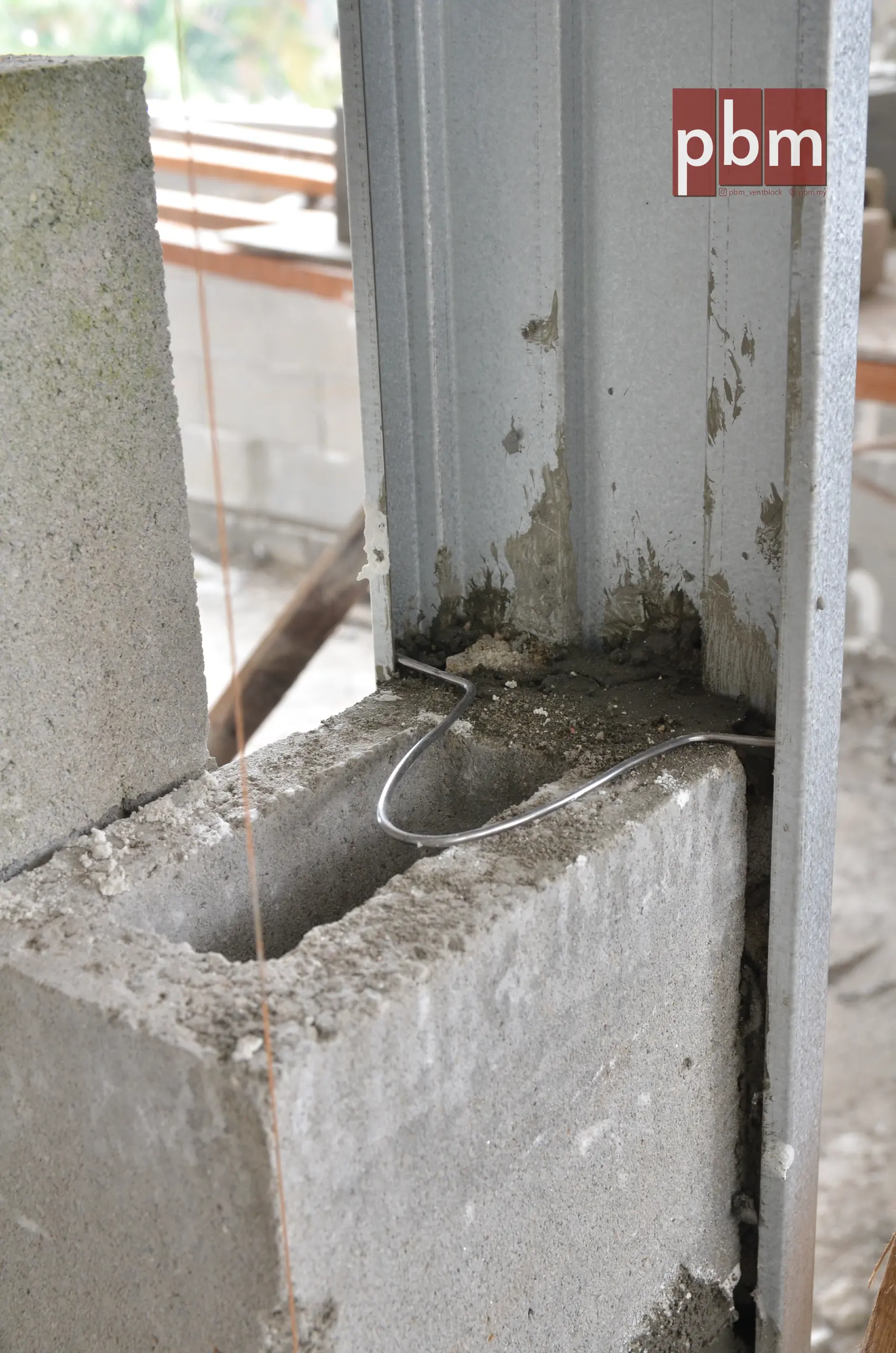
- Complete connection set - L (left corner), P (right corner), T (junction), U (channel) - for clean wall geometries without on-site cutting
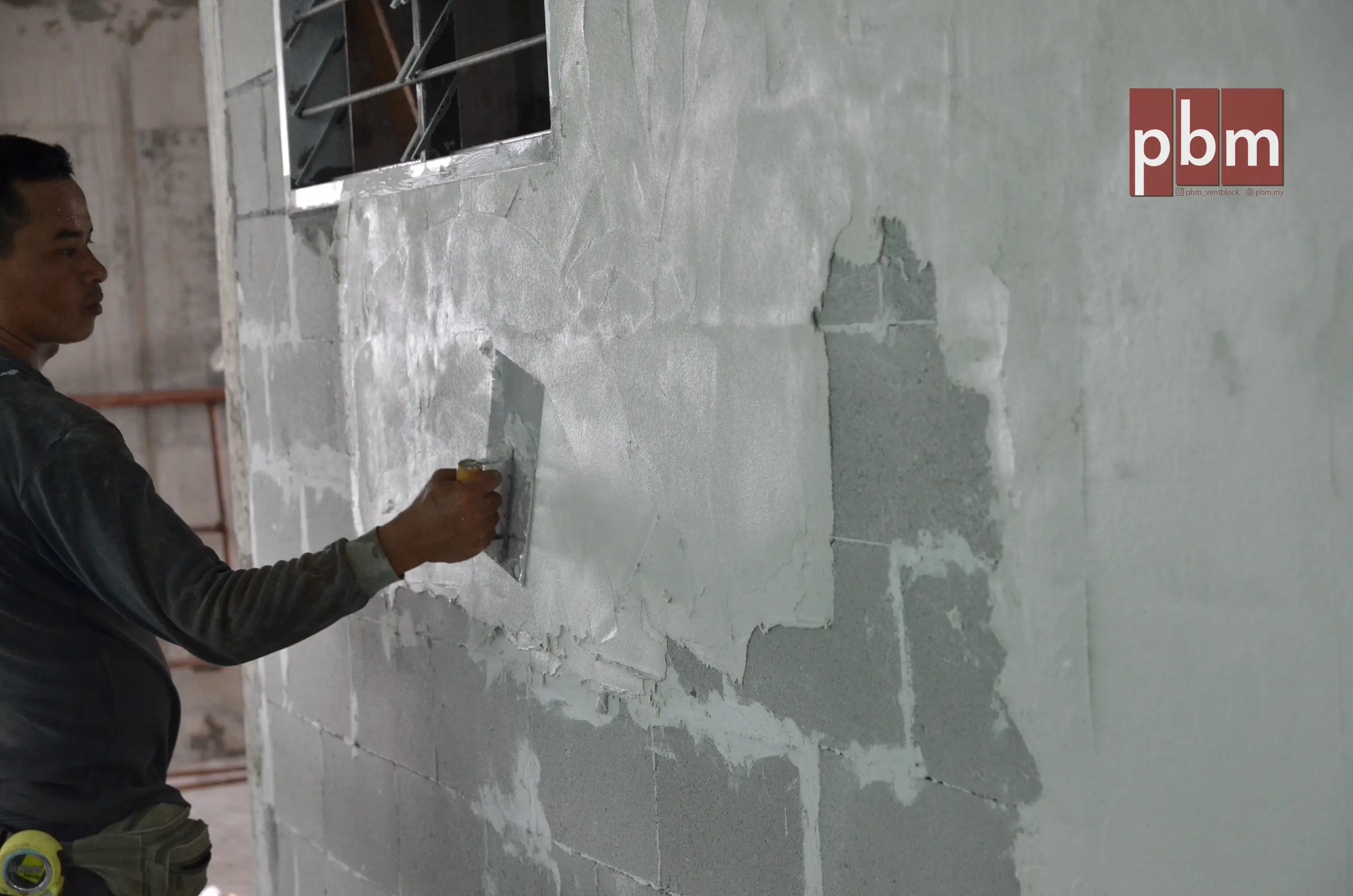
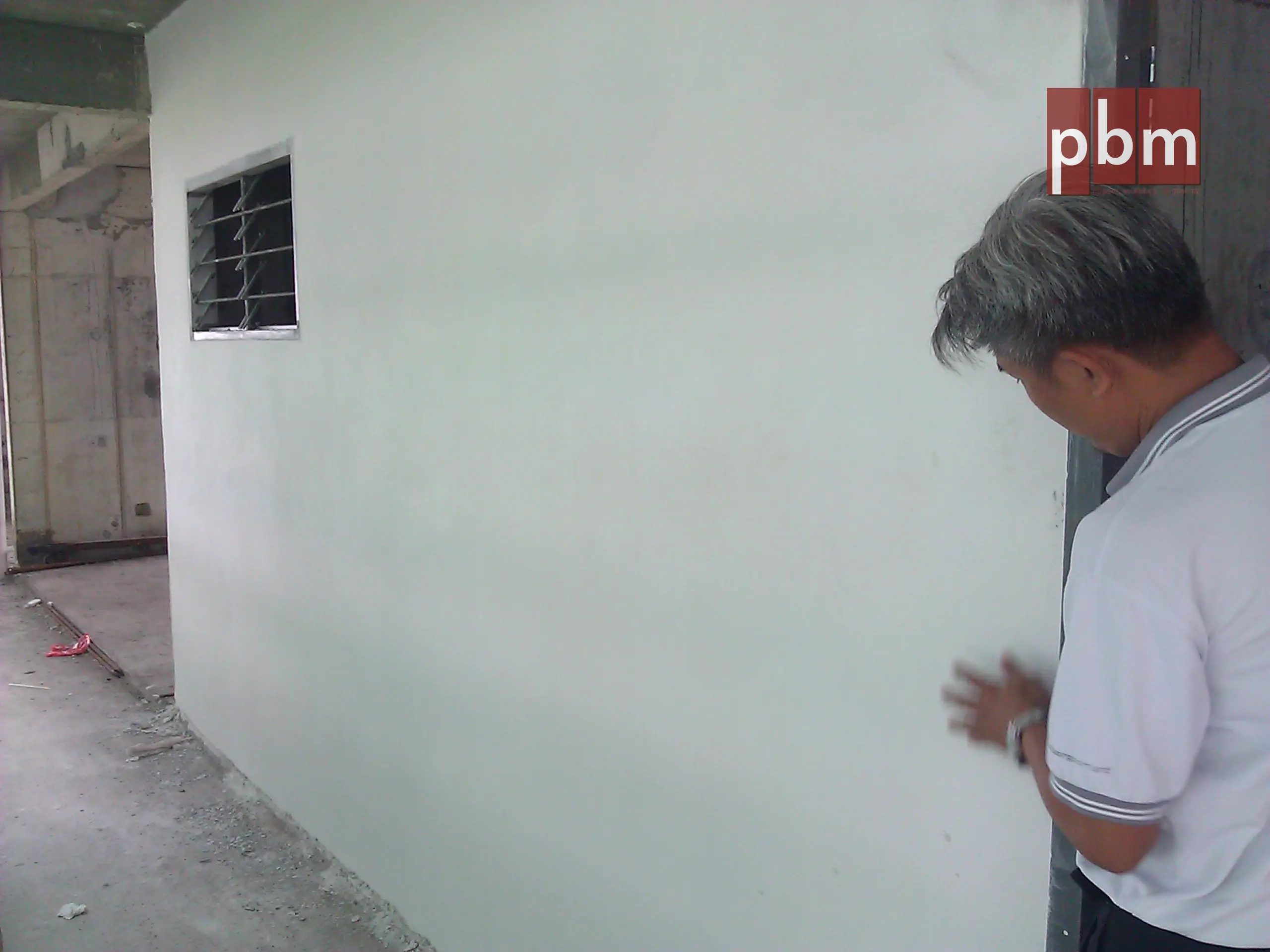
- Flat surface profile reduces skim coat material consumption
- Cavities sized to accommodate electrical conduits and water piping vertically and horizontally
- Wall plugs and proprietary wall anchors can be installed at solid block sections
Downloads —
CAD drawings and technical documents for specification use.
Related Products


Installation Notes
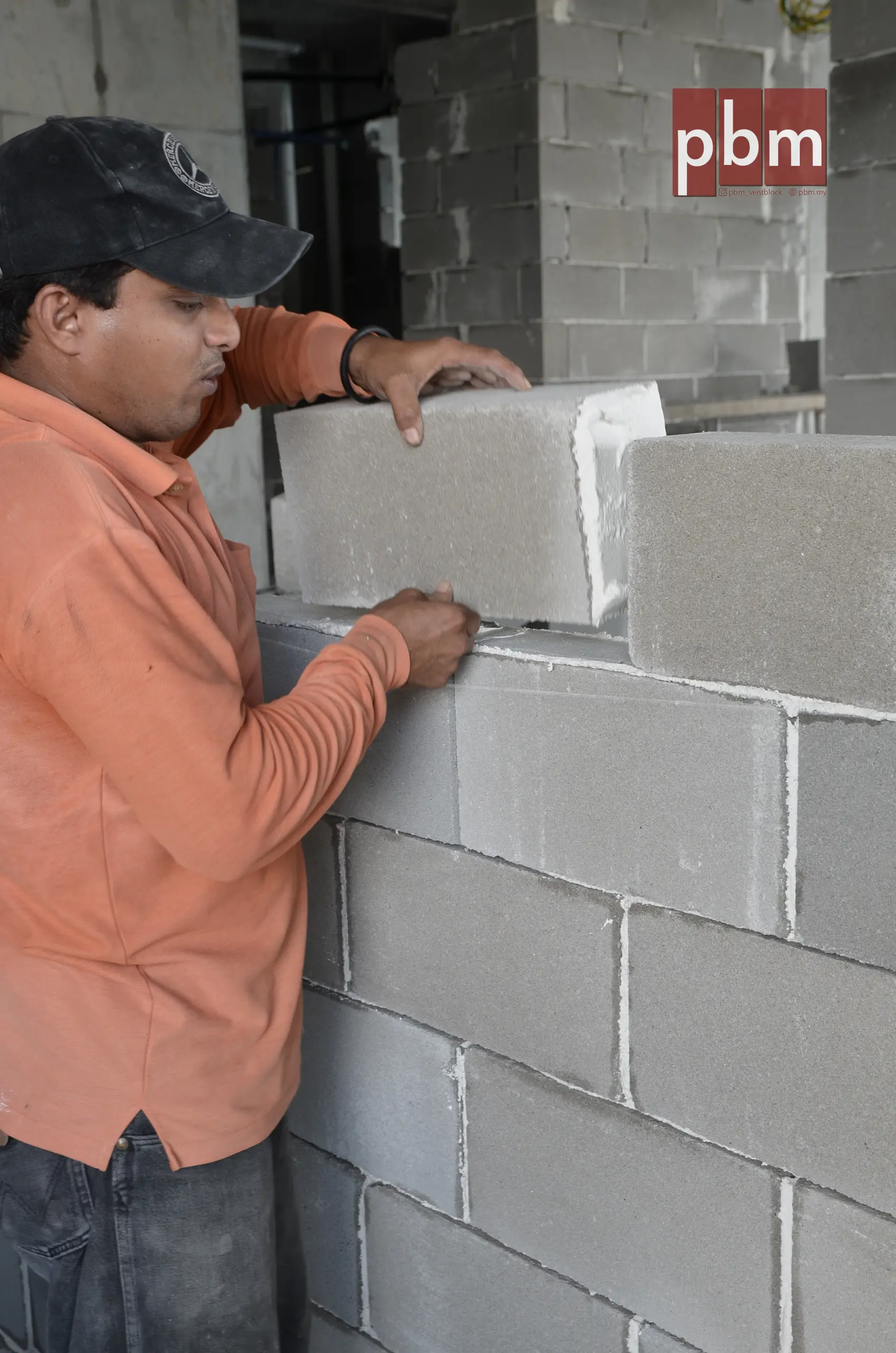
- Build walls in stretcher bond using 1:3 cement-sand mortar OR SkimBond thin-bed mortar; joints not exceeding 10mm thick with concave finish
- Limit block work to a maximum of 5 courses per section in any one day
- Coordinate cavity alignment with the M&E contractor before laying so that future utility runs pass through aligned cavities without chasing
- Cure block work for at least 7 days before applying loads or finishes
- Refer to the full Method Statement PDF in the Downloads section for the complete 12-step procedure and GenBlock-specific guidance
FAQ —
What's the difference between GenBlock and traditional Hollow Block?
PBM Hollow Block is the traditional precast masonry unit with two large cavities, used across structural and partition applications including load-bearing walls, lintels, and bond beams. GenBlock is PBM’s improved partition block with multiple smaller cavities – optimised specifically for non-load-bearing internal walls. The multi-cavity profile reduces weight, accommodates utilities piping, and works with SkimBond thin-bed mortar for faster construction. Choose Hollow Block for structural and traditional applications; GenBlock for non-load-bearing internal partitions where ease of installation and finishing efficiency are the priority.
What's the difference between the L, P, T, and U variants?
- L (left corner) — forms a clean external wall corner where the wall turns from one direction to a perpendicular one
- P (right corner / reverse L) — mirrored profile of the L block, used at right-hand corners or in alternating courses to avoid running joints
- T (T-junction) — used where one partition wall meets another at right angles, with structural continuity through the junction
- U (U-channel) — open channel block used for lintels above door / window openings and for bond beams within the wall course, accepting reinforcement bar and concrete fill
What is SkimBond and when should I use it?
SkimBond is a thin-bed mortar adhesive that allows much thinner joints than standard 1:3 cement-sand mortar. It accelerates installation, reduces material waste, and produces a cleaner wall ready for thinner skim coat. Use SkimBond where speed and finish quality are priorities – typically interior partition walls in commercial fit-outs and serviced apartments. Standard mortar remains the default for general construction.
How do I install electrical and plumbing through GenBlock walls?
GenBlock cavities are designed to accommodate vertical and horizontal services runs without subsequent chasing. Coordinate cavity alignment with the M&E contractor before laying – align cavities with intended outlet, switch, and service positions. Where post-installation cuts are needed, use a wet diamond saw and avoid cutting close to load-bearing reveals or jambs. Fill chase channels with mortar or grout flush with the wall face before applying skim coat.